Buy 61.eu ?
We are moving the project
61.eu .
Are you interested in purchasing the domain
61.eu ?
domain@kv-gmbh.de · 0541-91531010
Buy 61.eu ?
How does a 3D printer print layer by layer offset?
A 3D printer prints layer by layer offset by following a specific pattern dictated by the 3D model being printed. The printer deposits material, such as plastic filament or resin, onto the build platform or previous layer in a precise pattern based on the instructions from the 3D model. As each layer is completed, the printer moves up or down to the next layer and repeats the process, gradually building up the 3D object. This layer-by-layer offset printing process allows for the creation of complex and intricate 3D objects with precise details. **
Has the illustrator layer been cut off from the blur layer?
No, the illustrator layer has not been cut off from the blur layer. Both layers are still intact and can be adjusted separately. The illustrator layer contains the original artwork, while the blur layer adds the effect of blurriness to the illustration. These layers work together to create the final visual effect. **

Similar search terms for Layer
Top-Angebote
Products related to Layer:
-
iFixit Essential Electronics ToolkitThe iFixit Essential Electronics Toolkit is a compact starter repair kit for phones, tablets, laptops, game consoles and other small electronics. It includes a precision bit driver with 16 precision bits plus the basic opening and prying tools needed for common repairs such as screen and battery replacements.40,99 £*Shipping: 0,00 £Secure redirect to the provider
-
Sesderma Reti Age 5 Liposomal Serum Anti-Aging Innovation 30mLA facial serum for wrinkles and signs of ageing. Reduces wrinkles and fine lines. Hydrates and strengthens barrier. Restores youthful radiance. 5-Retinoid System: smooths wrinkles, accelerates renewal, and boosts collagen. Biomimetic Peptides: fill expression lines by stimulating collagen synthesis.54,51 £*Shipping: 5,34 £Secure redirect to the provider




-
What does layer 7 do in the ISO/OSI layer model?
Layer 7 in the ISO/OSI layer model is the application layer. This layer is responsible for providing network services to the end-user applications. It allows communication between different applications and handles tasks such as data encryption, authentication, and data compression. Layer 7 also defines the protocols and data formats that applications use to exchange information over the network. **
-
Why is global communication not possible at layer 2 of the OSI model?
Global communication is not possible at layer 2 of the OSI model because layer 2, the data link layer, is responsible for the physical transmission of data within a local network. It deals with the addressing of devices on the same network and the delivery of data frames within that network. It does not have the capability to route data between different networks or across the internet, which is necessary for global communication. For global communication to occur, it requires the functionality provided by layer 3 (network layer) and above, which handle the routing and addressing of data across different networks. **
-
Why is my top layer of hair shorter than my bottom layer?
The top layer of hair may appear shorter than the bottom layer due to a variety of reasons. One common reason is that the top layer of hair is more exposed to environmental factors such as sun, wind, and heat styling, which can lead to breakage and split ends. Additionally, the top layer of hair may be more prone to damage from brushing, combing, and styling, which can result in uneven length. Another possibility is that the top layer of hair grows at a slower rate than the bottom layer, leading to a noticeable difference in length. Regular trims and proper hair care can help maintain more even length and promote healthier hair growth. **
-
What is the difference between a floor layer and a tile layer?
A floor layer is a professional who specializes in installing various types of flooring materials, such as hardwood, laminate, vinyl, and carpet. They are skilled in preparing the subfloor, measuring and cutting materials, and ensuring a smooth and level installation. On the other hand, a tile layer specifically focuses on the installation of ceramic, porcelain, or natural stone tiles. They are experienced in setting tiles in various patterns, using grout to fill the gaps, and ensuring a waterproof and durable finish. While both professions involve working with flooring materials, the main difference lies in the specific type of material they specialize in installing. **


What does an electronics technician specializing in information and communication technology earn?
An electronics technician specializing in information and communication technology can earn an average salary of around $60,000 to $80,000 per year, depending on factors such as experience, location, and employer. With additional certifications or advanced degrees, they may be able to command higher salaries. Overall, this field offers competitive wages and opportunities for career growth as technology continues to advance. **
How much does an electronics technician for information and communication technology earn?
The salary of an electronics technician for information and communication technology can vary depending on factors such as experience, location, and employer. On average, in the United States, an electronics technician in this field can earn between $40,000 to $70,000 per year. However, with more experience and specialized skills, technicians can earn higher salaries, potentially exceeding $80,000 annually. It's important to research specific companies and regions to get a more accurate idea of salary expectations. **
Top-Angebote
Products related to Layer:
-
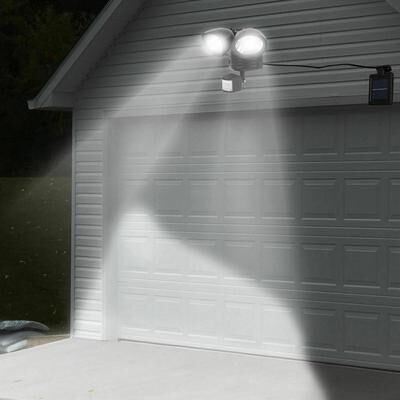
All Categories Goods LED Solar Security Light Dual Motion Sensor Outdoor Floodlight With LED Technology For Energy Efficient Illumination LED Solar Security Light Dual Motion Sensor Outdoor Floodlight With LED Technology For Energy Efficient IlluminationBrighten your outdoor space with the 1 pcs of 22 LED Solar Security Light, designed for maximum visibility and security. Powered by ecofriendly solar energy, this motion sensor floodlight activates when movement is detected, offering both...63,97 $*Shipping: 0,00 $Secure redirect to the provider
-
iFixit Essential Electronics ToolkitThe iFixit Essential Electronics Toolkit is a compact starter repair kit for phones, tablets, laptops, game consoles and other small electronics. It includes a precision bit driver with 16 precision bits plus the basic opening and prying tools needed for common repairs such as screen and battery replacements.40,99 £*Shipping: 0,00 £Secure redirect to the provider
-
How does a 3D printer print layer by layer offset?
A 3D printer prints layer by layer offset by following a specific pattern dictated by the 3D model being printed. The printer deposits material, such as plastic filament or resin, onto the build platform or previous layer in a precise pattern based on the instructions from the 3D model. As each layer is completed, the printer moves up or down to the next layer and repeats the process, gradually building up the 3D object. This layer-by-layer offset printing process allows for the creation of complex and intricate 3D objects with precise details. **
-
Has the illustrator layer been cut off from the blur layer?
No, the illustrator layer has not been cut off from the blur layer. Both layers are still intact and can be adjusted separately. The illustrator layer contains the original artwork, while the blur layer adds the effect of blurriness to the illustration. These layers work together to create the final visual effect. **
-
What does layer 7 do in the ISO/OSI layer model?
Layer 7 in the ISO/OSI layer model is the application layer. This layer is responsible for providing network services to the end-user applications. It allows communication between different applications and handles tasks such as data encryption, authentication, and data compression. Layer 7 also defines the protocols and data formats that applications use to exchange information over the network. **
-
Why is global communication not possible at layer 2 of the OSI model?
Global communication is not possible at layer 2 of the OSI model because layer 2, the data link layer, is responsible for the physical transmission of data within a local network. It deals with the addressing of devices on the same network and the delivery of data frames within that network. It does not have the capability to route data between different networks or across the internet, which is necessary for global communication. For global communication to occur, it requires the functionality provided by layer 3 (network layer) and above, which handle the routing and addressing of data across different networks. **
Similar search terms for Layer
-
Sesderma Reti Age 5 Liposomal Serum Anti-Aging Innovation 30mLA facial serum for wrinkles and signs of ageing. Reduces wrinkles and fine lines. Hydrates and strengthens barrier. Restores youthful radiance. 5-Retinoid System: smooths wrinkles, accelerates renewal, and boosts collagen. Biomimetic Peptides: fill expression lines by stimulating collagen synthesis.54,51 £*Shipping: 5,34 £Secure redirect to the provider
-
Uplift Essentials Layer Wood Jewelry Rack Bracelet & Watch Display Organizer 2 LayerMaximize your display potential with our Double Layer Rack Organizer. This sophisticated wood jewelry stand features a twotier Tbar design, allowing for the simultaneous organization of bracelets, chains, and watches. Built with a hard stand holder...68,97 $*Shipping: 0,00 $Secure redirect to the provider
-
HPE Networking Instant On AP22 Wi-Fi 6 Access PointWall or ceiling-mountable Wi-Fi 6 access point supporting dual-band operation (2.4 GHz and 5 GHz) with maximum data rates of 574 Mbps and 1.2 Gbps respectively. Powered by PoE connectivity and includes Bluetooth support, delivering enterprise-grade wireless coverage for indoor spaces in a compact 16x16x3.7cm form factor.127,49 £*Shipping: 0,00 £Secure redirect to the provider
-
Why is my top layer of hair shorter than my bottom layer?
The top layer of hair may appear shorter than the bottom layer due to a variety of reasons. One common reason is that the top layer of hair is more exposed to environmental factors such as sun, wind, and heat styling, which can lead to breakage and split ends. Additionally, the top layer of hair may be more prone to damage from brushing, combing, and styling, which can result in uneven length. Another possibility is that the top layer of hair grows at a slower rate than the bottom layer, leading to a noticeable difference in length. Regular trims and proper hair care can help maintain more even length and promote healthier hair growth. **
-
What is the difference between a floor layer and a tile layer?
A floor layer is a professional who specializes in installing various types of flooring materials, such as hardwood, laminate, vinyl, and carpet. They are skilled in preparing the subfloor, measuring and cutting materials, and ensuring a smooth and level installation. On the other hand, a tile layer specifically focuses on the installation of ceramic, porcelain, or natural stone tiles. They are experienced in setting tiles in various patterns, using grout to fill the gaps, and ensuring a waterproof and durable finish. While both professions involve working with flooring materials, the main difference lies in the specific type of material they specialize in installing. **
-
What does an electronics technician specializing in information and communication technology earn?
An electronics technician specializing in information and communication technology can earn an average salary of around $60,000 to $80,000 per year, depending on factors such as experience, location, and employer. With additional certifications or advanced degrees, they may be able to command higher salaries. Overall, this field offers competitive wages and opportunities for career growth as technology continues to advance. **
-
How much does an electronics technician for information and communication technology earn?
The salary of an electronics technician for information and communication technology can vary depending on factors such as experience, location, and employer. On average, in the United States, an electronics technician in this field can earn between $40,000 to $70,000 per year. However, with more experience and specialized skills, technicians can earn higher salaries, potentially exceeding $80,000 annually. It's important to research specific companies and regions to get a more accurate idea of salary expectations. **
* All prices are inclusive of VAT and, if applicable, plus shipping costs. The offer information is based on the details provided by the respective shop and is updated through automated processes. Real-time updates do not occur, so deviations can occur in individual cases. ** Note: Parts of this content were created by AI.