Buy 61.eu ?
We are moving the project
61.eu .
Are you interested in purchasing the domain
61.eu ?
domain@kv-gmbh.de · 0541-91531010
Buy 61.eu ?
How to properly use quotations?
When using quotations, it is important to properly integrate them into your writing. Always introduce the quotation with a signal phrase or context to provide the reader with the necessary background information. Use quotation marks to indicate the beginning and end of the quoted material. Additionally, make sure to cite the source of the quotation to give credit to the original author. Finally, analyze and discuss the quotation within the context of your own writing to show its relevance and significance. **
Are translations direct or indirect quotations?
Translations are indirect quotations because they convey the meaning of the original text in a different language. When translating a text, the translator is not simply repeating the exact words of the original, but rather expressing the same ideas and concepts in a different linguistic form. Therefore, translations are considered indirect quotations as they convey the meaning of the original source in a different language. **


Similar search terms for Quotations
Top-Angebote
Products related to Quotations:
-
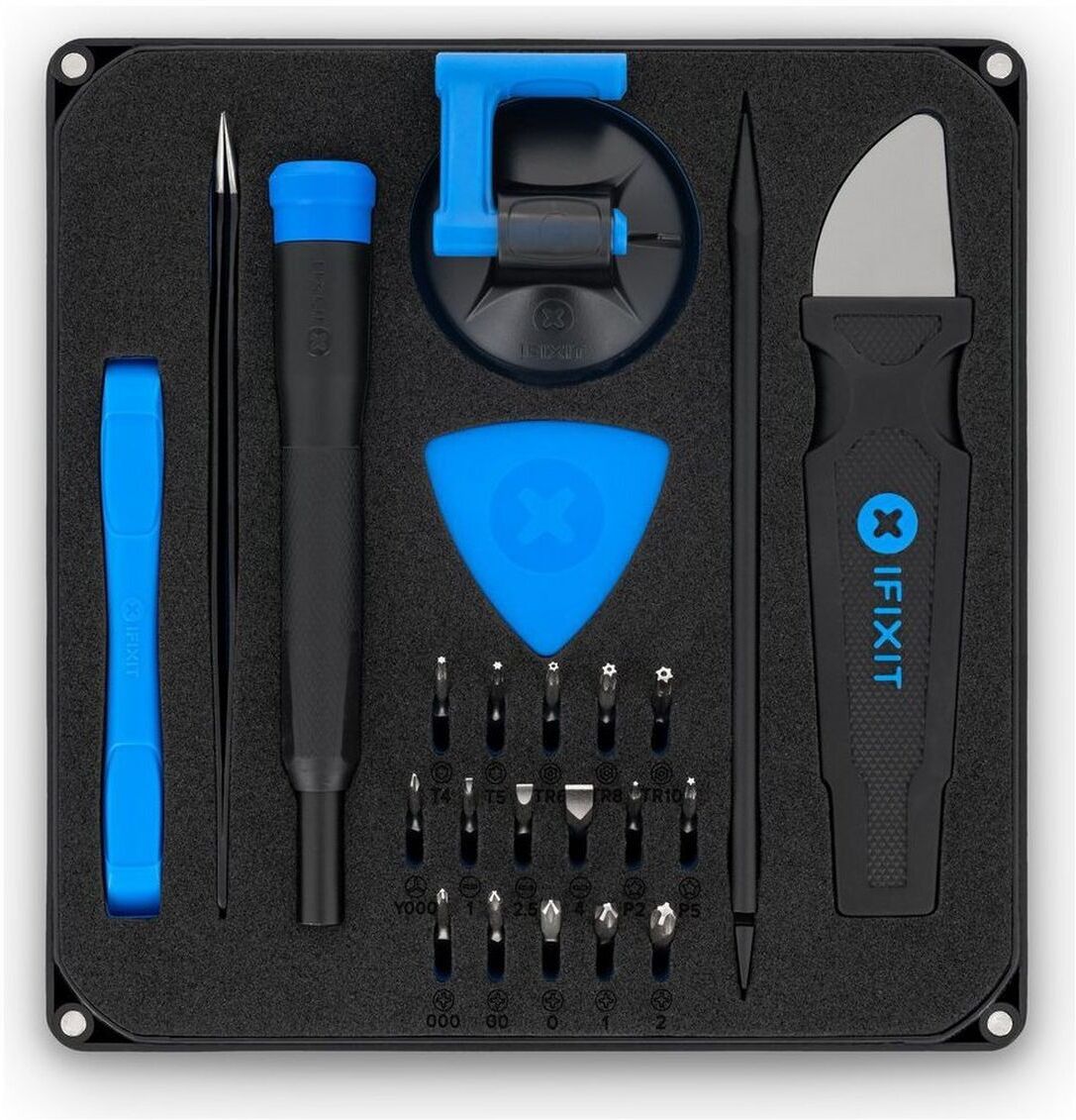
iFixit Essential Electronics ToolkitThe iFixit Essential Electronics Toolkit is a compact starter repair kit for phones, tablets, laptops, game consoles and other small electronics. It includes a precision bit driver with 16 precision bits plus the basic opening and prying tools needed for common repairs such as screen and battery replacements.40,99 £*Shipping: 0,00 £Secure redirect to the provider


-
How to use direct speech in quotations?
When using direct speech in quotations, you should use quotation marks to indicate the beginning and end of the spoken words. For example, "I am going to the store," said Mary. Additionally, you should use a comma or a colon before the spoken words, depending on the structure of the sentence. Finally, make sure to capitalize the first letter of the spoken words and use appropriate punctuation within the quotation marks. **
-
Should a comma be placed before quotations?
Yes, a comma should be placed before quotations when the quoted material is part of a larger sentence. For example, "She said, 'I will be there at 5 pm.'" However, if the quoted material is a complete sentence on its own, then a comma is not necessary before the quotation. For example, "She said 'I will be there at 5 pm.'" **
-
What is the difference between f and ff in quotations?
In quotations, "f" represents the singular form of the word "and" (e.g. "bread f butter"), while "ff" represents the plural form of the word "and" (e.g. "bread ff butter"). The use of "f" and "ff" in quotations is a traditional shorthand that dates back to medieval times and is often found in historical documents and manuscripts. **
-
How does a case conversion work in direct quotations in academic citation?
In academic citation, when directly quoting a source, it is important to maintain the original case of the text. This means that if the original text is in uppercase, lowercase, or a mix of both, the quoted text should be reproduced exactly as it appears in the source. However, if you need to make a change for clarity or grammatical reasons, you can use square brackets to indicate the alteration. It is crucial to accurately represent the original text to ensure the integrity and credibility of your academic work. **


Do you have to write in the subjunctive when using indirect quotations?
Yes, when using indirect quotations, it is common to use the subjunctive in many languages. The subjunctive is used to express doubt, uncertainty, or hypothetical situations, which are often present in indirect quotations. Therefore, it is important to use the subjunctive to accurately convey the speaker's intentions or beliefs in indirect quotations. However, the specific rules for using the subjunctive in indirect quotations may vary depending on the language and its grammar rules. **
What does an electronics technician specializing in information and communication technology earn?
An electronics technician specializing in information and communication technology can earn an average salary of around $60,000 to $80,000 per year, depending on factors such as experience, location, and employer. With additional certifications or advanced degrees, they may be able to command higher salaries. Overall, this field offers competitive wages and opportunities for career growth as technology continues to advance. **
Top-Angebote
Products related to Quotations:
-
Summersdale Publishers Inspiration: Thoughts and Quotations for Every DayImmerse yourself in the words of the world’s best writers, leaders and thinkers with this beautiful book of motivational words and quotes. Inspire your heart, free your mind, and bask in the glow of positive thinking.4,99 £*Shipping: 1,99 £Secure redirect to the provider
-
All Categories Goods LED Solar Security Light Dual Motion Sensor Outdoor Floodlight With LED Technology For Energy Efficient Illumination LED Solar Security Light Dual Motion Sensor Outdoor Floodlight With LED Technology For Energy Efficient IlluminationBrighten your outdoor space with the 1 pcs of 22 LED Solar Security Light, designed for maximum visibility and security. Powered by ecofriendly solar energy, this motion sensor floodlight activates when movement is detected, offering both...63,97 $*Shipping: 0,00 $Secure redirect to the provider
-
iFixit Essential Electronics ToolkitThe iFixit Essential Electronics Toolkit is a compact starter repair kit for phones, tablets, laptops, game consoles and other small electronics. It includes a precision bit driver with 16 precision bits plus the basic opening and prying tools needed for common repairs such as screen and battery replacements.40,99 £*Shipping: 0,00 £Secure redirect to the provider
-
How to properly use quotations?
When using quotations, it is important to properly integrate them into your writing. Always introduce the quotation with a signal phrase or context to provide the reader with the necessary background information. Use quotation marks to indicate the beginning and end of the quoted material. Additionally, make sure to cite the source of the quotation to give credit to the original author. Finally, analyze and discuss the quotation within the context of your own writing to show its relevance and significance. **
-
Are translations direct or indirect quotations?
Translations are indirect quotations because they convey the meaning of the original text in a different language. When translating a text, the translator is not simply repeating the exact words of the original, but rather expressing the same ideas and concepts in a different linguistic form. Therefore, translations are considered indirect quotations as they convey the meaning of the original source in a different language. **
-
How to use direct speech in quotations?
When using direct speech in quotations, you should use quotation marks to indicate the beginning and end of the spoken words. For example, "I am going to the store," said Mary. Additionally, you should use a comma or a colon before the spoken words, depending on the structure of the sentence. Finally, make sure to capitalize the first letter of the spoken words and use appropriate punctuation within the quotation marks. **
-
Should a comma be placed before quotations?
Yes, a comma should be placed before quotations when the quoted material is part of a larger sentence. For example, "She said, 'I will be there at 5 pm.'" However, if the quoted material is a complete sentence on its own, then a comma is not necessary before the quotation. For example, "She said 'I will be there at 5 pm.'" **
Similar search terms for Quotations
-
HARPERCOLLINS Creative Confidence by Tom & David Kelley – Unleashing Your Creative Potential & Innovation MindsetA powerful and inspiring book from the founders of IDEO, the award-winning design firm, on unleashing the creativity that lies within each and every one of us. Too often, companies and individuals assume that creativity and innovation are the domain of the ‘creative types’. But two of the foremost experts in innovation, design and creativity on the planet show us that each and every one of us is creative. In an entertaining and inspiring narrative that draws on countless stories from their work at IDEO, and with many of the world's top companies and design firms, David and Tom Kelley identify the principles and strategies that will allow us to tap into our creative potential in our work lives, and in our personal lives, allow us to think outside the box in terms of how we approach and solve problems. ‘Creative Confidence’ is a book that will help each of us be more productive and successful in our lives and in our careers.4,95 £*Shipping: 1,99 £Secure redirect to the provider
-
Burford Electronics Mosquito Fuzz Pedal Original - RefurbishedThis is a Burford Electronics Mosquito Fuzz Pedal. The Mosquito is a Fuzz/Octave pedal with a pretty unique sound, being closer to a fuzz more than a distortion this pedal delivers high octane fuzz sounds that will leave a sting. Here's what Burford Electronics say about the Mosquito Pedal: “A unique Octave up fuzz, which will give you pure fuzz on one twist of a knob & octave fuzz on one twist of another knob. So you can have your fuzz setting for a rich body & add octave fuzz to it or turn the fuzz down & just use the octave fuzz control for cutting lead. There is also a control called Sting, this is a tone filter that alters the voice of the octave from sharp to mellow. The octave is not over the top, on the lower register it is quite subtle, you can even play power chords and it holds together extremely well. Without that horrible modulation that is associated with some analogue octave up pedals, even some of the legendary expensive ones. Try soloing somewhere from the 8th fret upwards, it is very responsive and particularly so around 12th/15th fret and even higher. Neck and back pick ups give different sounds. Even playing positions will give different responses.”120,00 £*Shipping: 0,00 £Secure redirect to the provider
-
What is the difference between f and ff in quotations?
In quotations, "f" represents the singular form of the word "and" (e.g. "bread f butter"), while "ff" represents the plural form of the word "and" (e.g. "bread ff butter"). The use of "f" and "ff" in quotations is a traditional shorthand that dates back to medieval times and is often found in historical documents and manuscripts. **
-
How does a case conversion work in direct quotations in academic citation?
In academic citation, when directly quoting a source, it is important to maintain the original case of the text. This means that if the original text is in uppercase, lowercase, or a mix of both, the quoted text should be reproduced exactly as it appears in the source. However, if you need to make a change for clarity or grammatical reasons, you can use square brackets to indicate the alteration. It is crucial to accurately represent the original text to ensure the integrity and credibility of your academic work. **
-
Do you have to write in the subjunctive when using indirect quotations?
Yes, when using indirect quotations, it is common to use the subjunctive in many languages. The subjunctive is used to express doubt, uncertainty, or hypothetical situations, which are often present in indirect quotations. Therefore, it is important to use the subjunctive to accurately convey the speaker's intentions or beliefs in indirect quotations. However, the specific rules for using the subjunctive in indirect quotations may vary depending on the language and its grammar rules. **
-
What does an electronics technician specializing in information and communication technology earn?
An electronics technician specializing in information and communication technology can earn an average salary of around $60,000 to $80,000 per year, depending on factors such as experience, location, and employer. With additional certifications or advanced degrees, they may be able to command higher salaries. Overall, this field offers competitive wages and opportunities for career growth as technology continues to advance. **
* All prices are inclusive of VAT and, if applicable, plus shipping costs. The offer information is based on the details provided by the respective shop and is updated through automated processes. Real-time updates do not occur, so deviations can occur in individual cases. ** Note: Parts of this content were created by AI.