Buy 61.eu ?
We are moving the project
61.eu .
Are you interested in purchasing the domain
61.eu ?
domain@kv-gmbh.de · 0541-91531010
Buy 61.eu ?
Are algae prokaryotes?
No, algae are not prokaryotes. Algae are a diverse group of photosynthetic organisms that can be found in various environments, including freshwater and marine habitats. They are eukaryotic organisms, meaning they have a true nucleus and other membrane-bound organelles within their cells. This distinguishes them from prokaryotes, which lack a true nucleus and membrane-bound organelles. **
Are amoebas prokaryotes?
No, amoebas are not prokaryotes. Amoebas are eukaryotic organisms, meaning they have a true nucleus and other membrane-bound organelles within their cells. Prokaryotes, on the other hand, are organisms that lack a true nucleus and other membrane-bound organelles. Examples of prokaryotes include bacteria and archaea. **


Similar search terms for Prokaryotes
Top-Angebote
Products related to Prokaryotes:
-
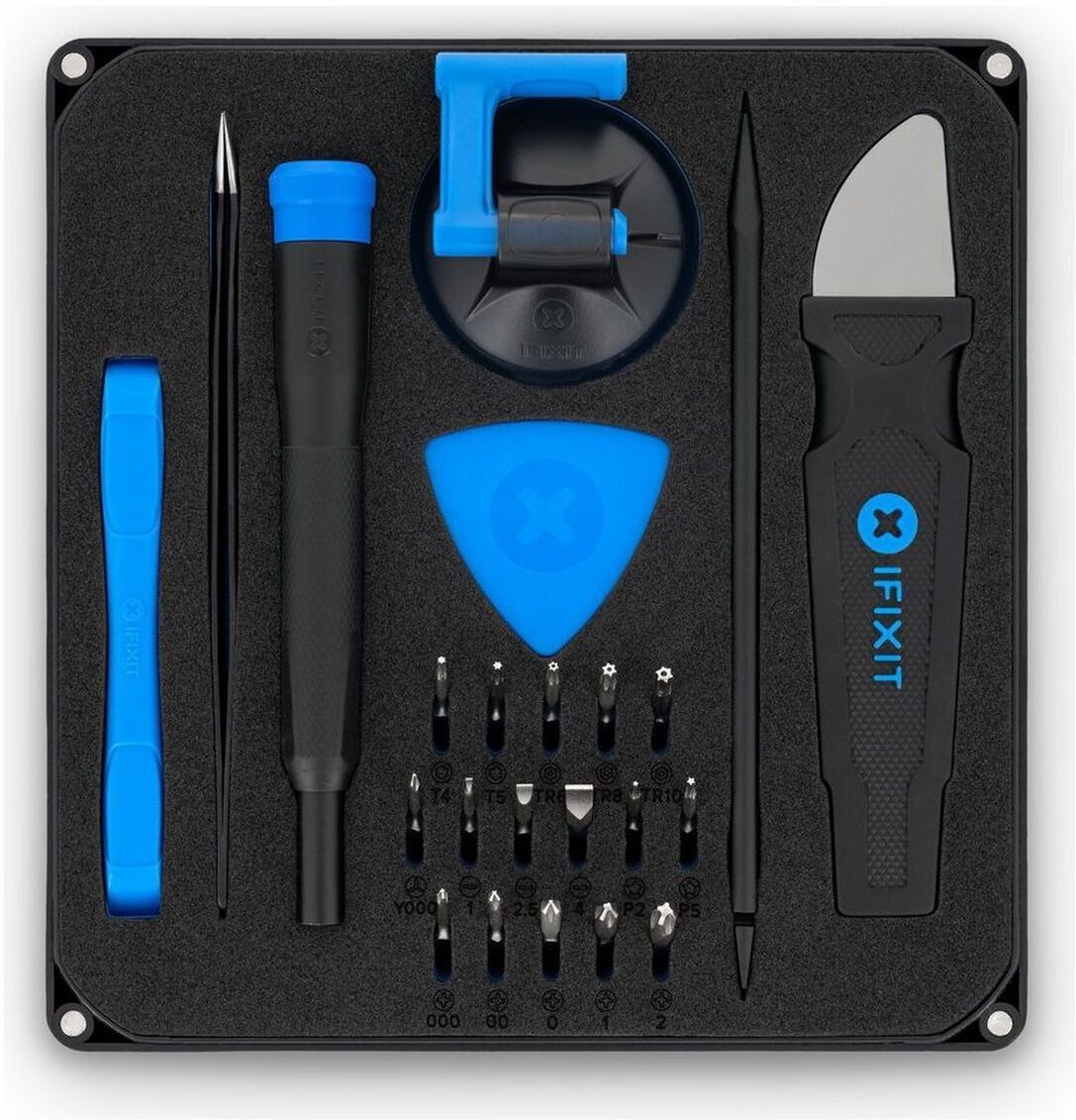
iFixit Essential Electronics ToolkitThe iFixit Essential Electronics Toolkit is a compact starter repair kit for phones, tablets, laptops, game consoles and other small electronics. It includes a precision bit driver with 16 precision bits plus the basic opening and prying tools needed for common repairs such as screen and battery replacements.40,99 £*Shipping: 0,00 £Secure redirect to the provider
-
Sesderma Reti Age 5 Liposomal Serum Anti-Aging Innovation 30mLA facial serum for wrinkles and signs of ageing. Reduces wrinkles and fine lines. Hydrates and strengthens barrier. Restores youthful radiance. 5-Retinoid System: smooths wrinkles, accelerates renewal, and boosts collagen. Biomimetic Peptides: fill expression lines by stimulating collagen synthesis.54,51 £*Shipping: 5,34 £Secure redirect to the provider



-
When did prokaryotes originate?
Prokaryotes are believed to have originated around 3.5 billion years ago, making them some of the earliest forms of life on Earth. **
-
Are prokaryotes human cells?
No, prokaryotes are not human cells. Prokaryotes are single-celled organisms that lack a true nucleus and other membrane-bound organelles, while human cells are eukaryotic, meaning they have a true nucleus and other membrane-bound organelles. Prokaryotes include bacteria and archaea, while human cells are part of the complex multicellular organism known as Homo sapiens. **
-
Are humans prokaryotes or eukaryotes?
Humans are eukaryotes. Eukaryotes are organisms whose cells have a true nucleus containing their genetic material, while prokaryotes do not have a nucleus. Human cells, like all other animals, plants, fungi, and protists, are eukaryotic cells. **
-
What are eukaryotes and prokaryotes?
Eukaryotes are organisms whose cells have a true nucleus, which contains their genetic material. They also have other membrane-bound organelles, such as mitochondria and the endoplasmic reticulum. Examples of eukaryotes include plants, animals, fungi, and protists. Prokaryotes, on the other hand, are organisms whose cells do not have a true nucleus or other membrane-bound organelles. Their genetic material is located in the cytoplasm, and they are typically smaller and simpler in structure compared to eukaryotic cells. Examples of prokaryotes include bacteria and archaea. **


What are prokaryotes and mitochondria?
Prokaryotes are single-celled organisms that lack a nucleus and other membrane-bound organelles. They are typically smaller and simpler in structure compared to eukaryotic cells. Prokaryotes include bacteria and archaea. Mitochondria are membrane-bound organelles found in eukaryotic cells. They are often referred to as the "powerhouses" of the cell because they generate energy in the form of ATP through a process called cellular respiration. Mitochondria have their own DNA and are thought to have originated from a symbiotic relationship between an ancestral eukaryotic cell and a prokaryotic cell. **
Do prokaryotes have a cell nucleus?
No, prokaryotes do not have a cell nucleus. Prokaryotic cells lack a membrane-bound nucleus that houses their genetic material. Instead, their DNA is found in a region of the cell called the nucleoid. This is one of the key differences between prokaryotic and eukaryotic cells, as eukaryotic cells have a defined nucleus that separates their genetic material from the rest of the cell. **
Top-Angebote
Products related to Prokaryotes:
-
All Categories Goods LED Solar Security Light Dual Motion Sensor Outdoor Floodlight With LED Technology For Energy Efficient Illumination LED Solar Security Light Dual Motion Sensor Outdoor Floodlight With LED Technology For Energy Efficient IlluminationBrighten your outdoor space with the 1 pcs of 22 LED Solar Security Light, designed for maximum visibility and security. Powered by ecofriendly solar energy, this motion sensor floodlight activates when movement is detected, offering both...63,97 $*Shipping: 0,00 $Secure redirect to the provider
-
iFixit Essential Electronics ToolkitThe iFixit Essential Electronics Toolkit is a compact starter repair kit for phones, tablets, laptops, game consoles and other small electronics. It includes a precision bit driver with 16 precision bits plus the basic opening and prying tools needed for common repairs such as screen and battery replacements.40,99 £*Shipping: 0,00 £Secure redirect to the provider
-
Are algae prokaryotes?
No, algae are not prokaryotes. Algae are a diverse group of photosynthetic organisms that can be found in various environments, including freshwater and marine habitats. They are eukaryotic organisms, meaning they have a true nucleus and other membrane-bound organelles within their cells. This distinguishes them from prokaryotes, which lack a true nucleus and membrane-bound organelles. **
-
Are amoebas prokaryotes?
No, amoebas are not prokaryotes. Amoebas are eukaryotic organisms, meaning they have a true nucleus and other membrane-bound organelles within their cells. Prokaryotes, on the other hand, are organisms that lack a true nucleus and other membrane-bound organelles. Examples of prokaryotes include bacteria and archaea. **
-
When did prokaryotes originate?
Prokaryotes are believed to have originated around 3.5 billion years ago, making them some of the earliest forms of life on Earth. **
-
Are prokaryotes human cells?
No, prokaryotes are not human cells. Prokaryotes are single-celled organisms that lack a true nucleus and other membrane-bound organelles, while human cells are eukaryotic, meaning they have a true nucleus and other membrane-bound organelles. Prokaryotes include bacteria and archaea, while human cells are part of the complex multicellular organism known as Homo sapiens. **
Similar search terms for Prokaryotes
-
Sesderma Reti Age 5 Liposomal Serum Anti-Aging Innovation 30mLA facial serum for wrinkles and signs of ageing. Reduces wrinkles and fine lines. Hydrates and strengthens barrier. Restores youthful radiance. 5-Retinoid System: smooths wrinkles, accelerates renewal, and boosts collagen. Biomimetic Peptides: fill expression lines by stimulating collagen synthesis.54,51 £*Shipping: 5,34 £Secure redirect to the provider
-
HPE Networking Instant On AP22 Wi-Fi 6 Access PointWall or ceiling-mountable Wi-Fi 6 access point supporting dual-band operation (2.4 GHz and 5 GHz) with maximum data rates of 574 Mbps and 1.2 Gbps respectively. Powered by PoE connectivity and includes Bluetooth support, delivering enterprise-grade wireless coverage for indoor spaces in a compact 16x16x3.7cm form factor.127,49 £*Shipping: 0,00 £Secure redirect to the provider
-
EUkeonjinn Round Mirror Clear 61 cm x 61 cm26-45W output power, 192 LEDs/m high-density light strip with 6000K light temperature provide enough brightness 50,000 hours LED lifetime means it can last 45-46 years if using it 3 hours a day 0.2mm PVC shatterproof film prevents debris splashing after mirror break 10%-100% Step-less adjustment brightness to meet different brightness needs The memory function will remember your brightness setting when restart The IP45 rating for dust and water resistance ensures safe use in wet environments The 5mm silver mirror is not easy to oxidize, rust or blacken, and is more environmentally friendly and durable The high-definition mirror provides a 1:1 reflection that illuminates your beauty Anti-fog function & 1-hour delayed shut-off automatically The backlit CRI >90 Ra, close to natural light 2 Touch buttons control the light and defog respectively Package with customized thick foam and sturdy corner guards in a carton box Comes with wall-mounted hardware, it will only take a few minutes to assemble CSA certification: No, Weight Capacity: 158.8kg EUkeonjinn Size: 61 cm x 61 cm145,99 £*Shipping: 0,00 £Secure redirect to the provider
-
Are humans prokaryotes or eukaryotes?
Humans are eukaryotes. Eukaryotes are organisms whose cells have a true nucleus containing their genetic material, while prokaryotes do not have a nucleus. Human cells, like all other animals, plants, fungi, and protists, are eukaryotic cells. **
-
What are eukaryotes and prokaryotes?
Eukaryotes are organisms whose cells have a true nucleus, which contains their genetic material. They also have other membrane-bound organelles, such as mitochondria and the endoplasmic reticulum. Examples of eukaryotes include plants, animals, fungi, and protists. Prokaryotes, on the other hand, are organisms whose cells do not have a true nucleus or other membrane-bound organelles. Their genetic material is located in the cytoplasm, and they are typically smaller and simpler in structure compared to eukaryotic cells. Examples of prokaryotes include bacteria and archaea. **
-
What are prokaryotes and mitochondria?
Prokaryotes are single-celled organisms that lack a nucleus and other membrane-bound organelles. They are typically smaller and simpler in structure compared to eukaryotic cells. Prokaryotes include bacteria and archaea. Mitochondria are membrane-bound organelles found in eukaryotic cells. They are often referred to as the "powerhouses" of the cell because they generate energy in the form of ATP through a process called cellular respiration. Mitochondria have their own DNA and are thought to have originated from a symbiotic relationship between an ancestral eukaryotic cell and a prokaryotic cell. **
-
Do prokaryotes have a cell nucleus?
No, prokaryotes do not have a cell nucleus. Prokaryotic cells lack a membrane-bound nucleus that houses their genetic material. Instead, their DNA is found in a region of the cell called the nucleoid. This is one of the key differences between prokaryotic and eukaryotic cells, as eukaryotic cells have a defined nucleus that separates their genetic material from the rest of the cell. **
* All prices are inclusive of VAT and, if applicable, plus shipping costs. The offer information is based on the details provided by the respective shop and is updated through automated processes. Real-time updates do not occur, so deviations can occur in individual cases. ** Note: Parts of this content were created by AI.