Buy 61.eu ?
We are moving the project
61.eu .
Are you interested in purchasing the domain
61.eu ?
domain@kv-gmbh.de · 0541-91531010
Buy 61.eu ?
What is a DIN rail power distribution block?
A DIN rail power distribution block is a component used in electrical systems to distribute power from a main power source to multiple devices or circuits. It is typically mounted on a DIN rail, which is a standardized metal rail used for mounting various electrical components in control panels. The power distribution block consists of multiple terminals or connection points where wires can be connected to distribute power efficiently and safely. It helps to organize and streamline the wiring in electrical panels, making maintenance and troubleshooting easier. **
What can be mounted on a DIN rail?
A wide variety of electrical and industrial components can be mounted on a DIN rail, including circuit breakers, terminal blocks, power supplies, relays, contactors, timers, and other control devices. DIN rails are commonly used in control panels, distribution boards, and industrial automation systems to provide a standardized and secure mounting platform for these components. The DIN rail's versatility and ease of installation make it a popular choice for organizing and mounting electrical equipment in a wide range of applications. **

Similar search terms for PLANET-IP30-DIN-rail-Industrial
Top-Angebote
Products related to PLANET-IP30-DIN-rail-Industrial:
-
PLANET ICS-2100T IP30 Industrial 1-Port RS232/RS422/RS485 Serial Device ServerThe PLANET ICS-2100T is an IP30 industrial serial device server that connects one RS232, RS422 or RS485 serial device to a 10/100BASE-TX Fast Ethernet network, so legacy serial equipment can be monitored and controlled over IP. It runs at serial speeds up to 921.6 kbps and is built for wide-temperature industrial sites (-40 to 75°C). It measures 32 x 87.8 x 135 mm and weighs 392 g.158,99 £*Shipping: 0,00 £Secure redirect to the provider



-
What is better: Industrial electronics technician or electronics technician for energy and building technology?
The choice between an industrial electronics technician and an electronics technician for energy and building technology depends on your career goals and interests. An industrial electronics technician typically works with manufacturing equipment and machinery, while an electronics technician for energy and building technology focuses on electrical systems in buildings and energy infrastructure. If you are interested in working with manufacturing processes and machinery, then industrial electronics technician may be a better fit. However, if you are passionate about sustainable energy and building technology, then electronics technician for energy and building technology may be the better option for you. **
-
What is better: Electronics technician for industrial engineering or electronics technician for energy and building technology?
The choice between being an electronics technician for industrial engineering or energy and building technology depends on your interests and career goals. If you enjoy working with complex machinery and systems in manufacturing environments, then industrial engineering may be a better fit for you. On the other hand, if you are passionate about sustainable energy solutions and building technology, then energy and building technology could be more fulfilling. Consider your strengths, interests, and long-term career aspirations to make the best decision for yourself. **
-
What is an industrial electronics technician?
An industrial electronics technician is a skilled professional who specializes in installing, maintaining, and repairing electronic equipment used in industrial settings. They work with a variety of devices such as control systems, motors, and robotics to ensure they are functioning properly. These technicians are responsible for troubleshooting issues, conducting regular inspections, and performing necessary repairs to keep industrial machinery running efficiently. They play a crucial role in ensuring the smooth operation of electronic systems in manufacturing plants, factories, and other industrial environments. **
-
What is the difference between an industrial electronics technician and an energy and building technology electronics technician?
An industrial electronics technician typically works in manufacturing settings, focusing on the installation, maintenance, and repair of electronic systems used in industrial machinery and equipment. On the other hand, an energy and building technology electronics technician specializes in the installation, maintenance, and repair of electronic systems used in energy management and building automation systems. While both roles involve working with electronic systems, the specific applications and industries they focus on differ, with industrial electronics technicians working more in manufacturing environments and energy and building technology electronics technicians focusing on energy management and building automation systems. **

How do you switch from an electronics technician for industrial engineering to an electronics technician for automation technology?
To switch from being an electronics technician for industrial engineering to automation technology, you may need to acquire additional training or certifications specific to automation technology. This could involve taking courses or workshops focused on automation systems, programmable logic controllers (PLCs), robotics, and other relevant technologies. It would also be beneficial to gain practical experience in automation technology through internships or on-the-job training. Networking with professionals in the automation technology field and seeking out job opportunities that align with your new career focus can also help facilitate the transition. **
How can one switch from an electronics technician for industrial engineering to an electronics technician for automation technology?
To switch from being an electronics technician for industrial engineering to automation technology, one can start by gaining knowledge and skills specific to automation technology through courses or training programs. It is important to familiarize oneself with automation systems, PLC programming, and control systems. Additionally, gaining hands-on experience in automation technology through internships or on-the-job training can be beneficial. Networking with professionals in the automation technology field and seeking mentorship can also help in making a successful transition. **
Top-Angebote
Products related to PLANET-IP30-DIN-rail-Industrial:
-
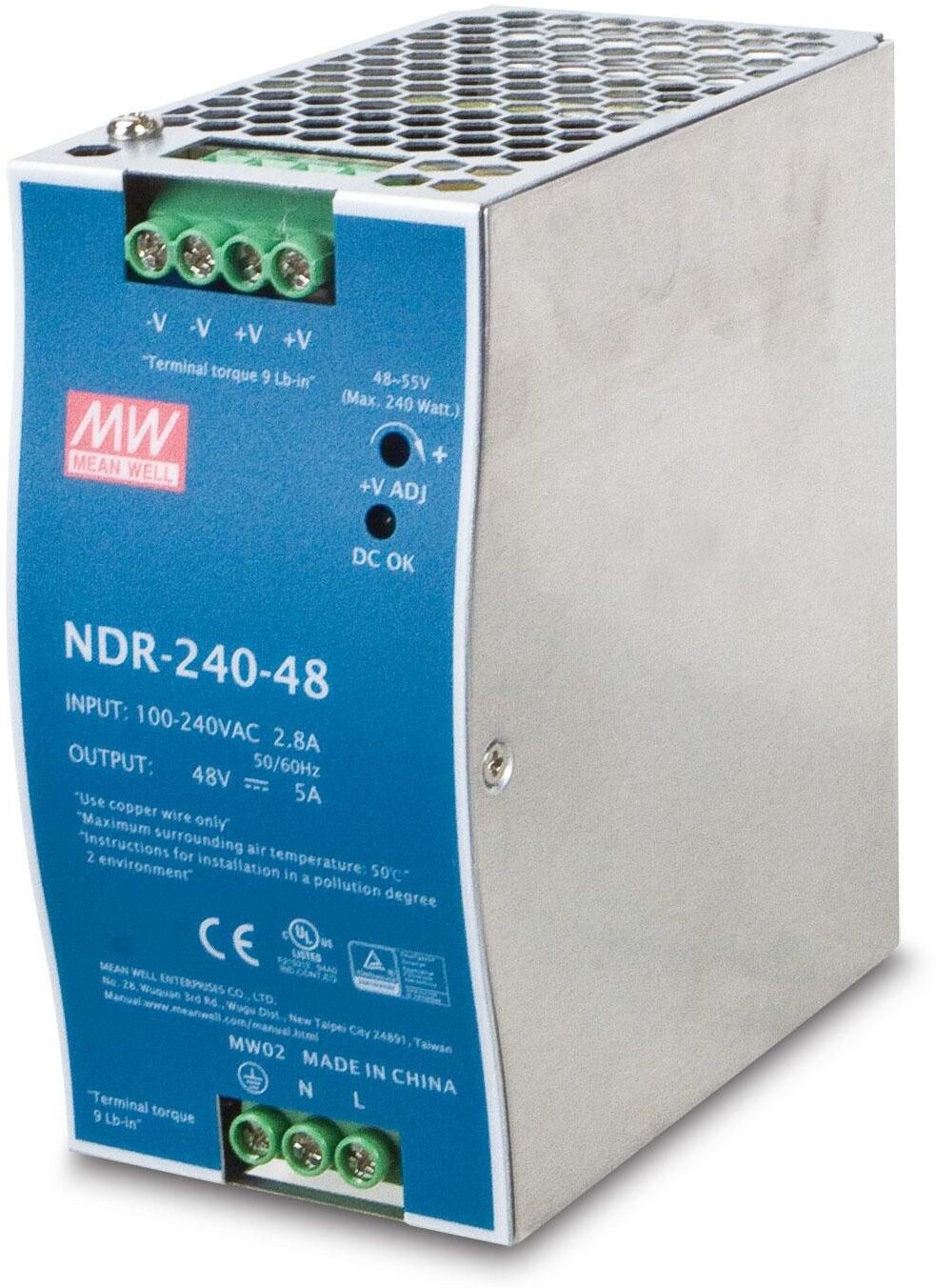
PLANET PWR-240-48 48V 240W DIN-Rail Power Supply (NDR-240-48)The PLANET PWR-240-48 is a single-output industrial DIN-rail power supply that accepts 100-240V AC input and delivers 48V DC (adjustable 48-56V) at up to 240W. It mounts on a TS-35 DIN rail and is intended to power industrial Ethernet switches and PoE equipment in cabinets, with an operating range of -40 to 70°C.97,99 £*Shipping: 0,00 £Secure redirect to the provider
-
PLANET ICS-2100T IP30 Industrial 1-Port RS232/RS422/RS485 Serial Device ServerThe PLANET ICS-2100T is an IP30 industrial serial device server that connects one RS232, RS422 or RS485 serial device to a 10/100BASE-TX Fast Ethernet network, so legacy serial equipment can be monitored and controlled over IP. It runs at serial speeds up to 921.6 kbps and is built for wide-temperature industrial sites (-40 to 75°C). It measures 32 x 87.8 x 135 mm and weighs 392 g.158,99 £*Shipping: 0,00 £Secure redirect to the provider
-
What is a DIN rail power distribution block?
A DIN rail power distribution block is a component used in electrical systems to distribute power from a main power source to multiple devices or circuits. It is typically mounted on a DIN rail, which is a standardized metal rail used for mounting various electrical components in control panels. The power distribution block consists of multiple terminals or connection points where wires can be connected to distribute power efficiently and safely. It helps to organize and streamline the wiring in electrical panels, making maintenance and troubleshooting easier. **
-
What can be mounted on a DIN rail?
A wide variety of electrical and industrial components can be mounted on a DIN rail, including circuit breakers, terminal blocks, power supplies, relays, contactors, timers, and other control devices. DIN rails are commonly used in control panels, distribution boards, and industrial automation systems to provide a standardized and secure mounting platform for these components. The DIN rail's versatility and ease of installation make it a popular choice for organizing and mounting electrical equipment in a wide range of applications. **
-
What is better: Industrial electronics technician or electronics technician for energy and building technology?
The choice between an industrial electronics technician and an electronics technician for energy and building technology depends on your career goals and interests. An industrial electronics technician typically works with manufacturing equipment and machinery, while an electronics technician for energy and building technology focuses on electrical systems in buildings and energy infrastructure. If you are interested in working with manufacturing processes and machinery, then industrial electronics technician may be a better fit. However, if you are passionate about sustainable energy and building technology, then electronics technician for energy and building technology may be the better option for you. **
-
What is better: Electronics technician for industrial engineering or electronics technician for energy and building technology?
The choice between being an electronics technician for industrial engineering or energy and building technology depends on your interests and career goals. If you enjoy working with complex machinery and systems in manufacturing environments, then industrial engineering may be a better fit for you. On the other hand, if you are passionate about sustainable energy solutions and building technology, then energy and building technology could be more fulfilling. Consider your strengths, interests, and long-term career aspirations to make the best decision for yourself. **
Similar search terms for PLANET-IP30-DIN-rail-Industrial
-
PLANET IGS-4215-16P2T2S IP30 Industrial L2/L4 16-Port PoE+ Managed Switch - 2x Gigabit, 2x SFPPLANET IGS-4215-16P2T2S IP30 industrial L2/L4 managed switch with 16 x 10/100/1000T PoE+ ports, 2 x 10/100/1000T ports and 2 x 100/1000X SFP slots.584,99 £*Shipping: 0,00 £Secure redirect to the provider
-
What is an industrial electronics technician?
An industrial electronics technician is a skilled professional who specializes in installing, maintaining, and repairing electronic equipment used in industrial settings. They work with a variety of devices such as control systems, motors, and robotics to ensure they are functioning properly. These technicians are responsible for troubleshooting issues, conducting regular inspections, and performing necessary repairs to keep industrial machinery running efficiently. They play a crucial role in ensuring the smooth operation of electronic systems in manufacturing plants, factories, and other industrial environments. **
-
What is the difference between an industrial electronics technician and an energy and building technology electronics technician?
An industrial electronics technician typically works in manufacturing settings, focusing on the installation, maintenance, and repair of electronic systems used in industrial machinery and equipment. On the other hand, an energy and building technology electronics technician specializes in the installation, maintenance, and repair of electronic systems used in energy management and building automation systems. While both roles involve working with electronic systems, the specific applications and industries they focus on differ, with industrial electronics technicians working more in manufacturing environments and energy and building technology electronics technicians focusing on energy management and building automation systems. **
-
How do you switch from an electronics technician for industrial engineering to an electronics technician for automation technology?
To switch from being an electronics technician for industrial engineering to automation technology, you may need to acquire additional training or certifications specific to automation technology. This could involve taking courses or workshops focused on automation systems, programmable logic controllers (PLCs), robotics, and other relevant technologies. It would also be beneficial to gain practical experience in automation technology through internships or on-the-job training. Networking with professionals in the automation technology field and seeking out job opportunities that align with your new career focus can also help facilitate the transition. **
-
How can one switch from an electronics technician for industrial engineering to an electronics technician for automation technology?
To switch from being an electronics technician for industrial engineering to automation technology, one can start by gaining knowledge and skills specific to automation technology through courses or training programs. It is important to familiarize oneself with automation systems, PLC programming, and control systems. Additionally, gaining hands-on experience in automation technology through internships or on-the-job training can be beneficial. Networking with professionals in the automation technology field and seeking mentorship can also help in making a successful transition. **
* All prices are inclusive of VAT and, if applicable, plus shipping costs. The offer information is based on the details provided by the respective shop and is updated through automated processes. Real-time updates do not occur, so deviations can occur in individual cases. ** Note: Parts of this content were created by AI.