Buy 61.eu ?
We are moving the project
61.eu .
Are you interested in purchasing the domain
61.eu ?
domain@kv-gmbh.de · 0541-91531010
Buy 61.eu ?
What does isometry mean in art?
Isometry in art refers to the use of geometric shapes and forms that maintain their size and shape regardless of their position or orientation in space. This technique creates a sense of balance, harmony, and stability in the artwork. Isometric art often features precise, straight lines and angles, and is commonly used in architectural drawings, technical illustrations, and graphic design to convey a sense of accuracy and order. **
How is a standardized isometry correctly drawn?
A standardized isometry is correctly drawn by following specific guidelines. First, ensure that all three axes (x, y, z) are drawn at 120-degree angles to each other. Next, draw the object or shape in question with accurate proportions and angles, making sure to maintain the 120-degree relationship between the axes. Finally, label the axes and any important points or dimensions to clearly communicate the isometric view. By following these steps, a standardized isometry can be accurately and effectively drawn. **

Similar search terms for Isometry
Top-Angebote
Products related to Isometry:
-
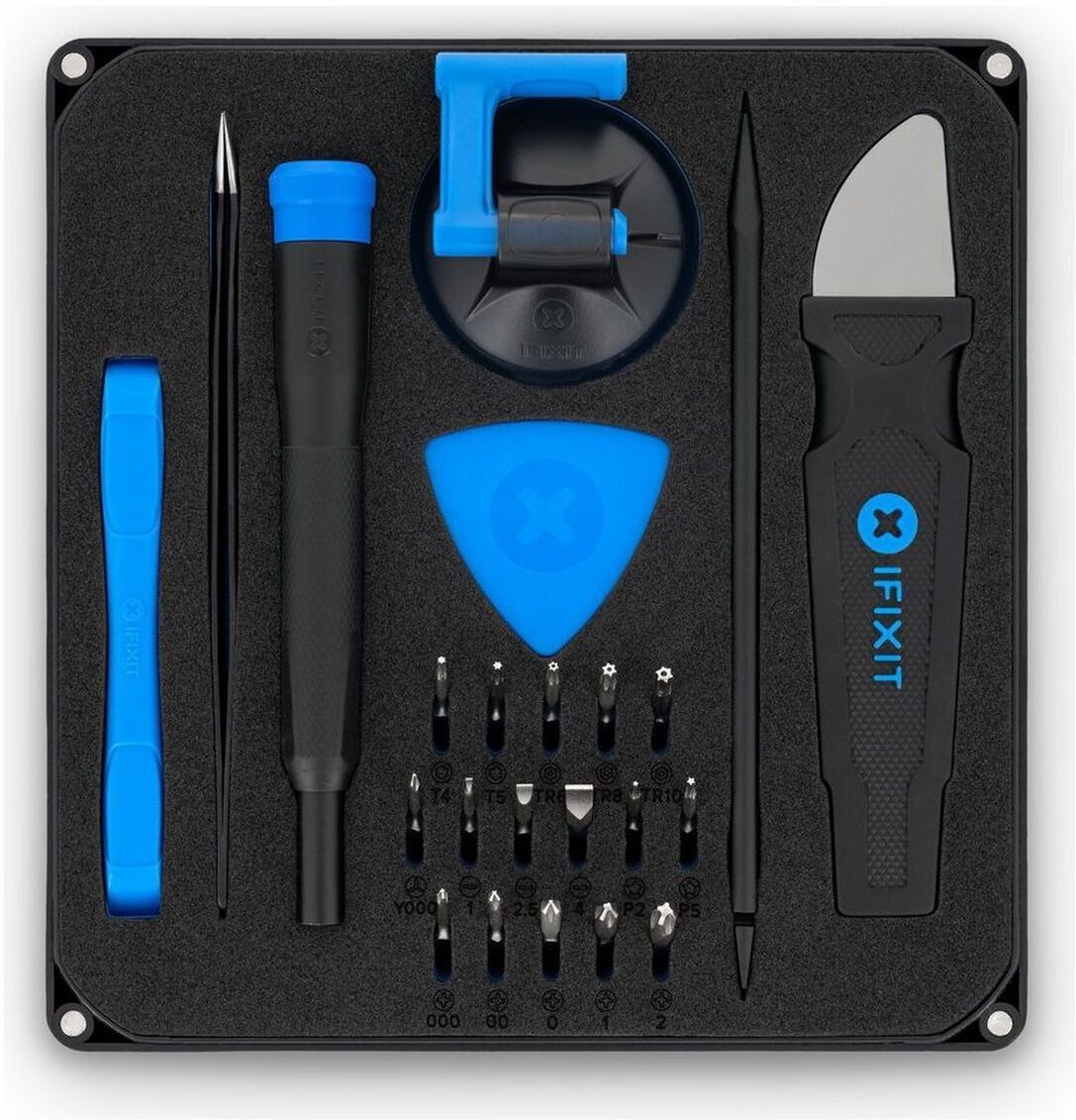
iFixit Essential Electronics ToolkitThe iFixit Essential Electronics Toolkit is a compact starter repair kit for phones, tablets, laptops, game consoles and other small electronics. It includes a precision bit driver with 16 precision bits plus the basic opening and prying tools needed for common repairs such as screen and battery replacements.40,99 £*Shipping: 0,00 £Secure redirect to the provider
-
Sesderma Reti Age 5 Liposomal Serum Anti-Aging Innovation 30mLA facial serum for wrinkles and signs of ageing. Reduces wrinkles and fine lines. Hydrates and strengthens barrier. Restores youthful radiance. 5-Retinoid System: smooths wrinkles, accelerates renewal, and boosts collagen. Biomimetic Peptides: fill expression lines by stimulating collagen synthesis.54,51 £*Shipping: 5,34 £Secure redirect to the provider



-
What is an isometry with non-orthogonal vertices?
An isometry with non-orthogonal vertices is a transformation that preserves distances and angles between points, but the vertices are not at right angles to each other. This means that the shape is still congruent to its original form, but the angles between the edges are not necessarily 90 degrees. Isometries with non-orthogonal vertices can include translations, rotations, reflections, and glide reflections. These transformations are important in geometry and can help us understand the properties of shapes in different orientations. **
-
What is an isometry with non-orthogonal corners?
An isometry with non-orthogonal corners is a transformation that preserves distances and angles, but the corners of the shape are not at right angles to each other. This means that the shape is still congruent to its original form after the transformation, but the angles at the corners are not 90 degrees. Isometries with non-orthogonal corners can include rotations, reflections, translations, and glide reflections. These transformations are important in geometry and can be used to study the properties of shapes and figures. **
-
What is the difference between axonometry and isometry?
Axonometry and isometry are both methods used in technical and engineering drawing to represent three-dimensional objects on a two-dimensional surface. The main difference between the two is that axonometry is a type of parallel projection, where all the lines of the object remain parallel in the drawing, while isometry is a specific type of axonometric projection where the object is represented with equal foreshortening along all three axes. In other words, isometry maintains the same scale in all three dimensions, while axonometry in general does not. **
-
Is the task for isometry with 3 board projections correct?
Yes, the task for isometry with 3 board projections is correct. Isometry refers to a transformation that preserves the distance between points, and using 3 board projections can help to accurately capture the spatial relationships and distances between points in a three-dimensional space. By using multiple board projections, it is possible to ensure that the isometry is accurately represented in the transformation process. **


What does an electronics technician specializing in information and communication technology earn?
An electronics technician specializing in information and communication technology can earn an average salary of around $60,000 to $80,000 per year, depending on factors such as experience, location, and employer. With additional certifications or advanced degrees, they may be able to command higher salaries. Overall, this field offers competitive wages and opportunities for career growth as technology continues to advance. **
How much does an electronics technician for information and communication technology earn?
The salary of an electronics technician for information and communication technology can vary depending on factors such as experience, location, and employer. On average, in the United States, an electronics technician in this field can earn between $40,000 to $70,000 per year. However, with more experience and specialized skills, technicians can earn higher salaries, potentially exceeding $80,000 annually. It's important to research specific companies and regions to get a more accurate idea of salary expectations. **
Top-Angebote
Products related to Isometry:
-
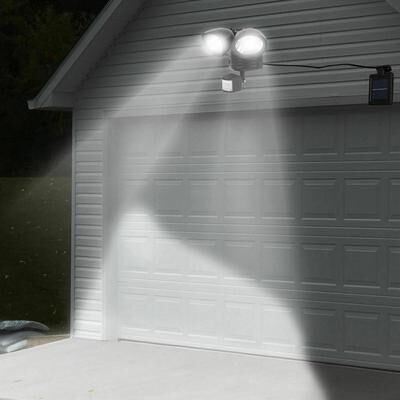
All Categories Goods LED Solar Security Light Dual Motion Sensor Outdoor Floodlight With LED Technology For Energy Efficient Illumination LED Solar Security Light Dual Motion Sensor Outdoor Floodlight With LED Technology For Energy Efficient IlluminationBrighten your outdoor space with the 1 pcs of 22 LED Solar Security Light, designed for maximum visibility and security. Powered by ecofriendly solar energy, this motion sensor floodlight activates when movement is detected, offering both...63,97 $*Shipping: 0,00 $Secure redirect to the provider
-
iFixit Essential Electronics ToolkitThe iFixit Essential Electronics Toolkit is a compact starter repair kit for phones, tablets, laptops, game consoles and other small electronics. It includes a precision bit driver with 16 precision bits plus the basic opening and prying tools needed for common repairs such as screen and battery replacements.40,99 £*Shipping: 0,00 £Secure redirect to the provider
-
What does isometry mean in art?
Isometry in art refers to the use of geometric shapes and forms that maintain their size and shape regardless of their position or orientation in space. This technique creates a sense of balance, harmony, and stability in the artwork. Isometric art often features precise, straight lines and angles, and is commonly used in architectural drawings, technical illustrations, and graphic design to convey a sense of accuracy and order. **
-
How is a standardized isometry correctly drawn?
A standardized isometry is correctly drawn by following specific guidelines. First, ensure that all three axes (x, y, z) are drawn at 120-degree angles to each other. Next, draw the object or shape in question with accurate proportions and angles, making sure to maintain the 120-degree relationship between the axes. Finally, label the axes and any important points or dimensions to clearly communicate the isometric view. By following these steps, a standardized isometry can be accurately and effectively drawn. **
-
What is an isometry with non-orthogonal vertices?
An isometry with non-orthogonal vertices is a transformation that preserves distances and angles between points, but the vertices are not at right angles to each other. This means that the shape is still congruent to its original form, but the angles between the edges are not necessarily 90 degrees. Isometries with non-orthogonal vertices can include translations, rotations, reflections, and glide reflections. These transformations are important in geometry and can help us understand the properties of shapes in different orientations. **
-
What is an isometry with non-orthogonal corners?
An isometry with non-orthogonal corners is a transformation that preserves distances and angles, but the corners of the shape are not at right angles to each other. This means that the shape is still congruent to its original form after the transformation, but the angles at the corners are not 90 degrees. Isometries with non-orthogonal corners can include rotations, reflections, translations, and glide reflections. These transformations are important in geometry and can be used to study the properties of shapes and figures. **
Similar search terms for Isometry
-
Sesderma Reti Age 5 Liposomal Serum Anti-Aging Innovation 30mLA facial serum for wrinkles and signs of ageing. Reduces wrinkles and fine lines. Hydrates and strengthens barrier. Restores youthful radiance. 5-Retinoid System: smooths wrinkles, accelerates renewal, and boosts collagen. Biomimetic Peptides: fill expression lines by stimulating collagen synthesis.54,51 £*Shipping: 5,34 £Secure redirect to the provider
-
HPE Networking Instant On AP22 Wi-Fi 6 Access PointWall or ceiling-mountable Wi-Fi 6 access point supporting dual-band operation (2.4 GHz and 5 GHz) with maximum data rates of 574 Mbps and 1.2 Gbps respectively. Powered by PoE connectivity and includes Bluetooth support, delivering enterprise-grade wireless coverage for indoor spaces in a compact 16x16x3.7cm form factor.127,49 £*Shipping: 0,00 £Secure redirect to the provider
-
EUkeonjinn Round Mirror Clear 61 cm x 61 cm26-45W output power, 192 LEDs/m high-density light strip with 6000K light temperature provide enough brightness 50,000 hours LED lifetime means it can last 45-46 years if using it 3 hours a day 0.2mm PVC shatterproof film prevents debris splashing after mirror break 10%-100% Step-less adjustment brightness to meet different brightness needs The memory function will remember your brightness setting when restart The IP45 rating for dust and water resistance ensures safe use in wet environments The 5mm silver mirror is not easy to oxidize, rust or blacken, and is more environmentally friendly and durable The high-definition mirror provides a 1:1 reflection that illuminates your beauty Anti-fog function & 1-hour delayed shut-off automatically The backlit CRI >90 Ra, close to natural light 2 Touch buttons control the light and defog respectively Package with customized thick foam and sturdy corner guards in a carton box Comes with wall-mounted hardware, it will only take a few minutes to assemble CSA certification: No, Weight Capacity: 158.8kg EUkeonjinn Size: 61 cm x 61 cm145,99 £*Shipping: 0,00 £Secure redirect to the provider
-
What is the difference between axonometry and isometry?
Axonometry and isometry are both methods used in technical and engineering drawing to represent three-dimensional objects on a two-dimensional surface. The main difference between the two is that axonometry is a type of parallel projection, where all the lines of the object remain parallel in the drawing, while isometry is a specific type of axonometric projection where the object is represented with equal foreshortening along all three axes. In other words, isometry maintains the same scale in all three dimensions, while axonometry in general does not. **
-
Is the task for isometry with 3 board projections correct?
Yes, the task for isometry with 3 board projections is correct. Isometry refers to a transformation that preserves the distance between points, and using 3 board projections can help to accurately capture the spatial relationships and distances between points in a three-dimensional space. By using multiple board projections, it is possible to ensure that the isometry is accurately represented in the transformation process. **
-
What does an electronics technician specializing in information and communication technology earn?
An electronics technician specializing in information and communication technology can earn an average salary of around $60,000 to $80,000 per year, depending on factors such as experience, location, and employer. With additional certifications or advanced degrees, they may be able to command higher salaries. Overall, this field offers competitive wages and opportunities for career growth as technology continues to advance. **
-
How much does an electronics technician for information and communication technology earn?
The salary of an electronics technician for information and communication technology can vary depending on factors such as experience, location, and employer. On average, in the United States, an electronics technician in this field can earn between $40,000 to $70,000 per year. However, with more experience and specialized skills, technicians can earn higher salaries, potentially exceeding $80,000 annually. It's important to research specific companies and regions to get a more accurate idea of salary expectations. **
* All prices are inclusive of VAT and, if applicable, plus shipping costs. The offer information is based on the details provided by the respective shop and is updated through automated processes. Real-time updates do not occur, so deviations can occur in individual cases. ** Note: Parts of this content were created by AI.