Buy 61.eu ?
We are moving the project
61.eu .
Are you interested in purchasing the domain
61.eu ?
domain@kv-gmbh.de · 0541-91531010
Buy 61.eu ?
What is the difference between permanent field cultivation and shifting cultivation?
Permanent field cultivation involves the continuous cultivation of the same piece of land over a long period of time, using methods such as irrigation and fertilization to maintain soil fertility. This type of cultivation is typically practiced in areas with stable and predictable environmental conditions. On the other hand, shifting cultivation involves the clearing of small plots of land for cultivation, which are then abandoned after a few years to allow the land to regenerate. This method is often used in areas with poor soil quality or where environmental conditions are less predictable. Shifting cultivation is also known as slash-and-burn agriculture, as the cleared land is often burned to prepare it for planting. **
What is greenhouse cultivation?
Greenhouse cultivation is a method of growing plants in a controlled environment within a structure made of transparent material, such as glass or plastic. This structure allows sunlight to enter and trap heat, creating a warm and stable climate for the plants. Greenhouse cultivation provides protection from extreme weather conditions, pests, and diseases, and allows for year-round production of crops. It also enables growers to control factors such as temperature, humidity, and light to optimize plant growth and yield. **

Similar search terms for Cultivation
Top-Angebote
Products related to Cultivation:
-
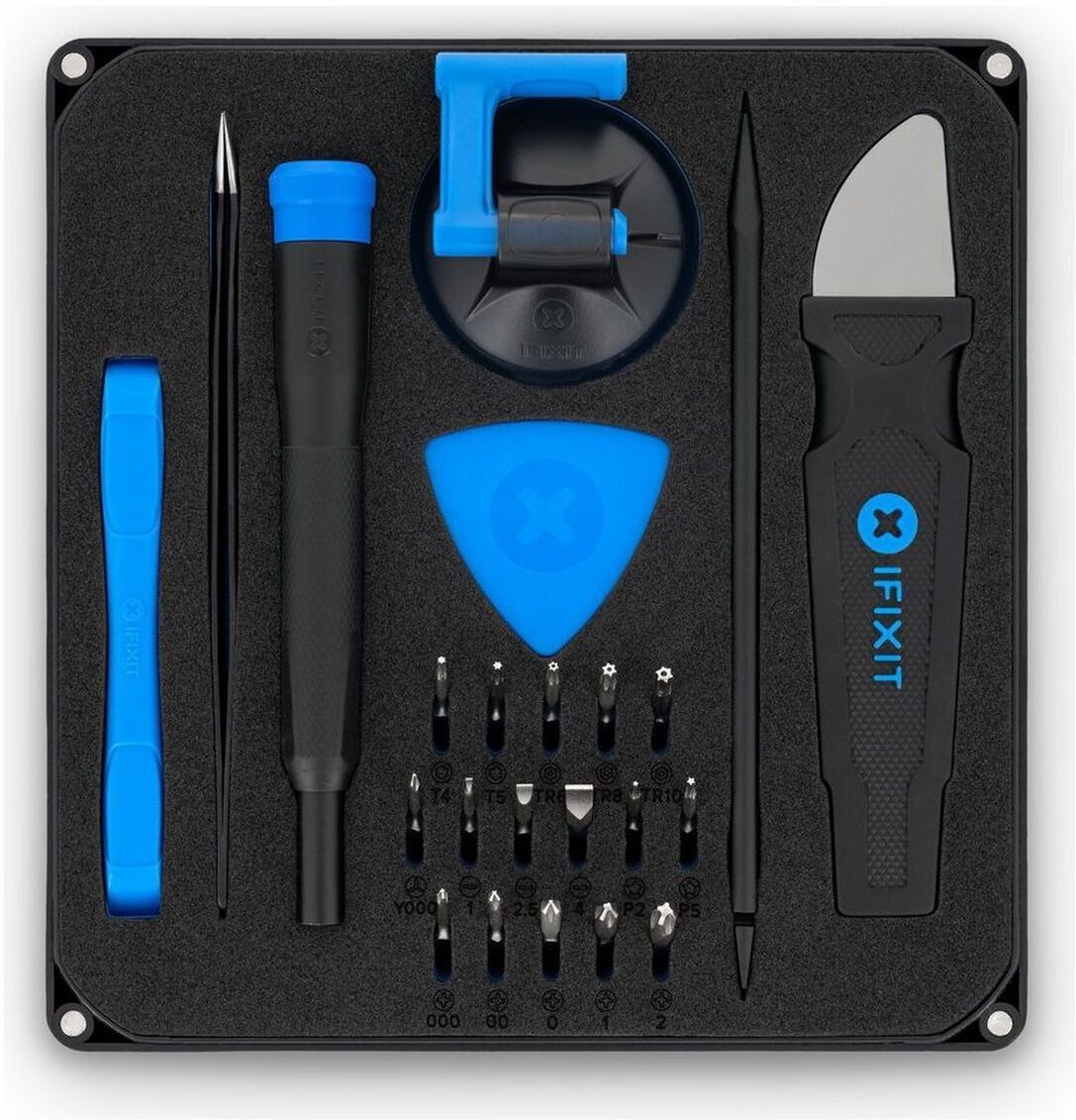
iFixit Essential Electronics ToolkitThe iFixit Essential Electronics Toolkit is a compact starter repair kit for phones, tablets, laptops, game consoles and other small electronics. It includes a precision bit driver with 16 precision bits plus the basic opening and prying tools needed for common repairs such as screen and battery replacements.40,99 £*Shipping: 0,00 £Secure redirect to the provider
-
Sesderma Reti Age 5 Liposomal Serum Anti-Aging Innovation 30mLA facial serum for wrinkles and signs of ageing. Reduces wrinkles and fine lines. Hydrates and strengthens barrier. Restores youthful radiance. 5-Retinoid System: smooths wrinkles, accelerates renewal, and boosts collagen. Biomimetic Peptides: fill expression lines by stimulating collagen synthesis.54,51 £*Shipping: 5,34 £Secure redirect to the provider



-
What are rice cultivation areas?
Rice cultivation areas are regions where rice is grown as a primary crop. These areas typically have specific climatic and soil conditions that are suitable for rice cultivation. Rice cultivation areas can vary in size from small family farms to large commercial operations, and they play a crucial role in providing food security for many countries around the world. Additionally, these areas often have a long history of rice cultivation and may have developed unique farming practices and traditions related to growing rice. **
-
What is a shifting cultivation?
Shifting cultivation, also known as slash-and-burn agriculture, is a traditional farming method in which a plot of land is cleared and cultivated for a few years, then abandoned and allowed to revert to its natural state while the farmer moves on to a new plot. The cleared land is typically burned to clear away the vegetation and provide nutrients for the soil. This method is often practiced by indigenous communities in tropical regions and is sustainable when done in moderation, allowing the land to regenerate during the fallow period. However, overuse of shifting cultivation can lead to deforestation and soil degradation. **
-
Can you explain shifting cultivation?
Shifting cultivation, also known as slash-and-burn agriculture, is a traditional farming method in which farmers clear a plot of land by cutting and burning the vegetation. The ashes from the burned vegetation provide nutrients to the soil, allowing farmers to grow crops for a few years before moving on to a new plot of land. This method is sustainable when practiced in a way that allows the land to regenerate, but it can lead to deforestation and soil degradation if not managed properly. Shifting cultivation is often practiced by indigenous communities in tropical regions around the world. **
-
Don't mushrooms grow in mushroom cultivation?
Yes, mushrooms do grow in mushroom cultivation. Mushroom cultivation involves creating the ideal conditions for mushrooms to grow, such as providing the right temperature, humidity, and substrate for the mushrooms to thrive. Through this process, mushrooms can be cultivated and harvested for consumption or commercial purposes. **


How does outdoor hemp cultivation work?
Outdoor hemp cultivation involves planting hemp seeds directly in the soil in an outdoor environment. The plants require ample sunlight, water, and nutrients to grow successfully. Farmers must monitor the plants for pests and diseases, and may need to implement organic pest control methods. Harvesting typically occurs in the fall when the plants have reached maturity, and the hemp is then dried and processed for various uses such as CBD extraction, fiber production, or seed harvesting. **
How is the cultivation carried out?
Cultivation is carried out through a series of steps that involve preparing the soil, planting the seeds or seedlings, providing adequate water and nutrients, controlling pests and diseases, and ensuring proper care and maintenance of the crops. This process may vary depending on the type of crop being cultivated and the specific environmental conditions. Farmers may use traditional methods or modern agricultural techniques to cultivate their crops, with the goal of maximizing yield and quality. Overall, cultivation requires careful planning, monitoring, and management to ensure successful growth and harvest of the crops. **
Top-Angebote
Products related to Cultivation:
-
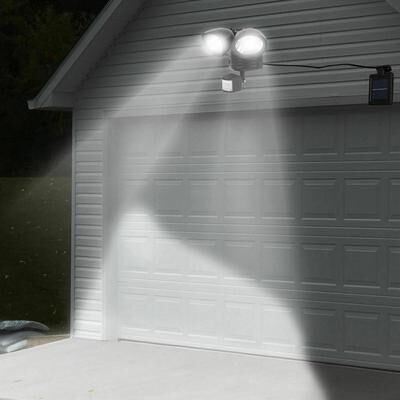
All Categories Goods LED Solar Security Light Dual Motion Sensor Outdoor Floodlight With LED Technology For Energy Efficient Illumination LED Solar Security Light Dual Motion Sensor Outdoor Floodlight With LED Technology For Energy Efficient IlluminationBrighten your outdoor space with the 1 pcs of 22 LED Solar Security Light, designed for maximum visibility and security. Powered by ecofriendly solar energy, this motion sensor floodlight activates when movement is detected, offering both...63,97 $*Shipping: 0,00 $Secure redirect to the provider
-
iFixit Essential Electronics ToolkitThe iFixit Essential Electronics Toolkit is a compact starter repair kit for phones, tablets, laptops, game consoles and other small electronics. It includes a precision bit driver with 16 precision bits plus the basic opening and prying tools needed for common repairs such as screen and battery replacements.40,99 £*Shipping: 0,00 £Secure redirect to the provider
-
What is the difference between permanent field cultivation and shifting cultivation?
Permanent field cultivation involves the continuous cultivation of the same piece of land over a long period of time, using methods such as irrigation and fertilization to maintain soil fertility. This type of cultivation is typically practiced in areas with stable and predictable environmental conditions. On the other hand, shifting cultivation involves the clearing of small plots of land for cultivation, which are then abandoned after a few years to allow the land to regenerate. This method is often used in areas with poor soil quality or where environmental conditions are less predictable. Shifting cultivation is also known as slash-and-burn agriculture, as the cleared land is often burned to prepare it for planting. **
-
What is greenhouse cultivation?
Greenhouse cultivation is a method of growing plants in a controlled environment within a structure made of transparent material, such as glass or plastic. This structure allows sunlight to enter and trap heat, creating a warm and stable climate for the plants. Greenhouse cultivation provides protection from extreme weather conditions, pests, and diseases, and allows for year-round production of crops. It also enables growers to control factors such as temperature, humidity, and light to optimize plant growth and yield. **
-
What are rice cultivation areas?
Rice cultivation areas are regions where rice is grown as a primary crop. These areas typically have specific climatic and soil conditions that are suitable for rice cultivation. Rice cultivation areas can vary in size from small family farms to large commercial operations, and they play a crucial role in providing food security for many countries around the world. Additionally, these areas often have a long history of rice cultivation and may have developed unique farming practices and traditions related to growing rice. **
-
What is a shifting cultivation?
Shifting cultivation, also known as slash-and-burn agriculture, is a traditional farming method in which a plot of land is cleared and cultivated for a few years, then abandoned and allowed to revert to its natural state while the farmer moves on to a new plot. The cleared land is typically burned to clear away the vegetation and provide nutrients for the soil. This method is often practiced by indigenous communities in tropical regions and is sustainable when done in moderation, allowing the land to regenerate during the fallow period. However, overuse of shifting cultivation can lead to deforestation and soil degradation. **
Similar search terms for Cultivation
-
Sesderma Reti Age 5 Liposomal Serum Anti-Aging Innovation 30mLA facial serum for wrinkles and signs of ageing. Reduces wrinkles and fine lines. Hydrates and strengthens barrier. Restores youthful radiance. 5-Retinoid System: smooths wrinkles, accelerates renewal, and boosts collagen. Biomimetic Peptides: fill expression lines by stimulating collagen synthesis.54,51 £*Shipping: 5,34 £Secure redirect to the provider
-
HPE Networking Instant On AP22 Wi-Fi 6 Access PointWall or ceiling-mountable Wi-Fi 6 access point supporting dual-band operation (2.4 GHz and 5 GHz) with maximum data rates of 574 Mbps and 1.2 Gbps respectively. Powered by PoE connectivity and includes Bluetooth support, delivering enterprise-grade wireless coverage for indoor spaces in a compact 16x16x3.7cm form factor.127,49 £*Shipping: 0,00 £Secure redirect to the provider
-
EUkeonjinn Round Mirror Clear 61 cm x 61 cm26-45W output power, 192 LEDs/m high-density light strip with 6000K light temperature provide enough brightness 50,000 hours LED lifetime means it can last 45-46 years if using it 3 hours a day 0.2mm PVC shatterproof film prevents debris splashing after mirror break 10%-100% Step-less adjustment brightness to meet different brightness needs The memory function will remember your brightness setting when restart The IP45 rating for dust and water resistance ensures safe use in wet environments The 5mm silver mirror is not easy to oxidize, rust or blacken, and is more environmentally friendly and durable The high-definition mirror provides a 1:1 reflection that illuminates your beauty Anti-fog function & 1-hour delayed shut-off automatically The backlit CRI >90 Ra, close to natural light 2 Touch buttons control the light and defog respectively Package with customized thick foam and sturdy corner guards in a carton box Comes with wall-mounted hardware, it will only take a few minutes to assemble CSA certification: No, Weight Capacity: 158.8kg EUkeonjinn Size: 61 cm x 61 cm145,99 £*Shipping: 0,00 £Secure redirect to the provider
-
Can you explain shifting cultivation?
Shifting cultivation, also known as slash-and-burn agriculture, is a traditional farming method in which farmers clear a plot of land by cutting and burning the vegetation. The ashes from the burned vegetation provide nutrients to the soil, allowing farmers to grow crops for a few years before moving on to a new plot of land. This method is sustainable when practiced in a way that allows the land to regenerate, but it can lead to deforestation and soil degradation if not managed properly. Shifting cultivation is often practiced by indigenous communities in tropical regions around the world. **
-
Don't mushrooms grow in mushroom cultivation?
Yes, mushrooms do grow in mushroom cultivation. Mushroom cultivation involves creating the ideal conditions for mushrooms to grow, such as providing the right temperature, humidity, and substrate for the mushrooms to thrive. Through this process, mushrooms can be cultivated and harvested for consumption or commercial purposes. **
-
How does outdoor hemp cultivation work?
Outdoor hemp cultivation involves planting hemp seeds directly in the soil in an outdoor environment. The plants require ample sunlight, water, and nutrients to grow successfully. Farmers must monitor the plants for pests and diseases, and may need to implement organic pest control methods. Harvesting typically occurs in the fall when the plants have reached maturity, and the hemp is then dried and processed for various uses such as CBD extraction, fiber production, or seed harvesting. **
-
How is the cultivation carried out?
Cultivation is carried out through a series of steps that involve preparing the soil, planting the seeds or seedlings, providing adequate water and nutrients, controlling pests and diseases, and ensuring proper care and maintenance of the crops. This process may vary depending on the type of crop being cultivated and the specific environmental conditions. Farmers may use traditional methods or modern agricultural techniques to cultivate their crops, with the goal of maximizing yield and quality. Overall, cultivation requires careful planning, monitoring, and management to ensure successful growth and harvest of the crops. **
* All prices are inclusive of VAT and, if applicable, plus shipping costs. The offer information is based on the details provided by the respective shop and is updated through automated processes. Real-time updates do not occur, so deviations can occur in individual cases. ** Note: Parts of this content were created by AI.