Buy 61.eu ?
We are moving the project
61.eu .
Are you interested in purchasing the domain
61.eu ?
domain@kv-gmbh.de · 0541-91531010
Buy 61.eu ?
How does the autonomic nervous system work?
The autonomic nervous system controls involuntary bodily functions such as heart rate, digestion, and breathing. It is divided into two branches: the sympathetic nervous system, which activates the body's fight-or-flight response in times of stress, and the parasympathetic nervous system, which promotes relaxation and rest. These two branches work in opposition to maintain homeostasis in the body. The autonomic nervous system operates largely unconsciously, responding to signals from the brain and sensory organs to regulate various bodily functions. **
What does the autonomic nervous system do?
The autonomic nervous system controls involuntary bodily functions such as heart rate, digestion, respiratory rate, and blood pressure. It regulates these functions to maintain homeostasis and respond to changes in the internal and external environment. The autonomic nervous system has two main divisions - the sympathetic and parasympathetic nervous systems, which work together to balance and coordinate the body's physiological processes. Overall, the autonomic nervous system plays a crucial role in ensuring the body functions properly without conscious effort. **

Similar search terms for Autonomic
Top-Angebote
Products related to Autonomic:
-
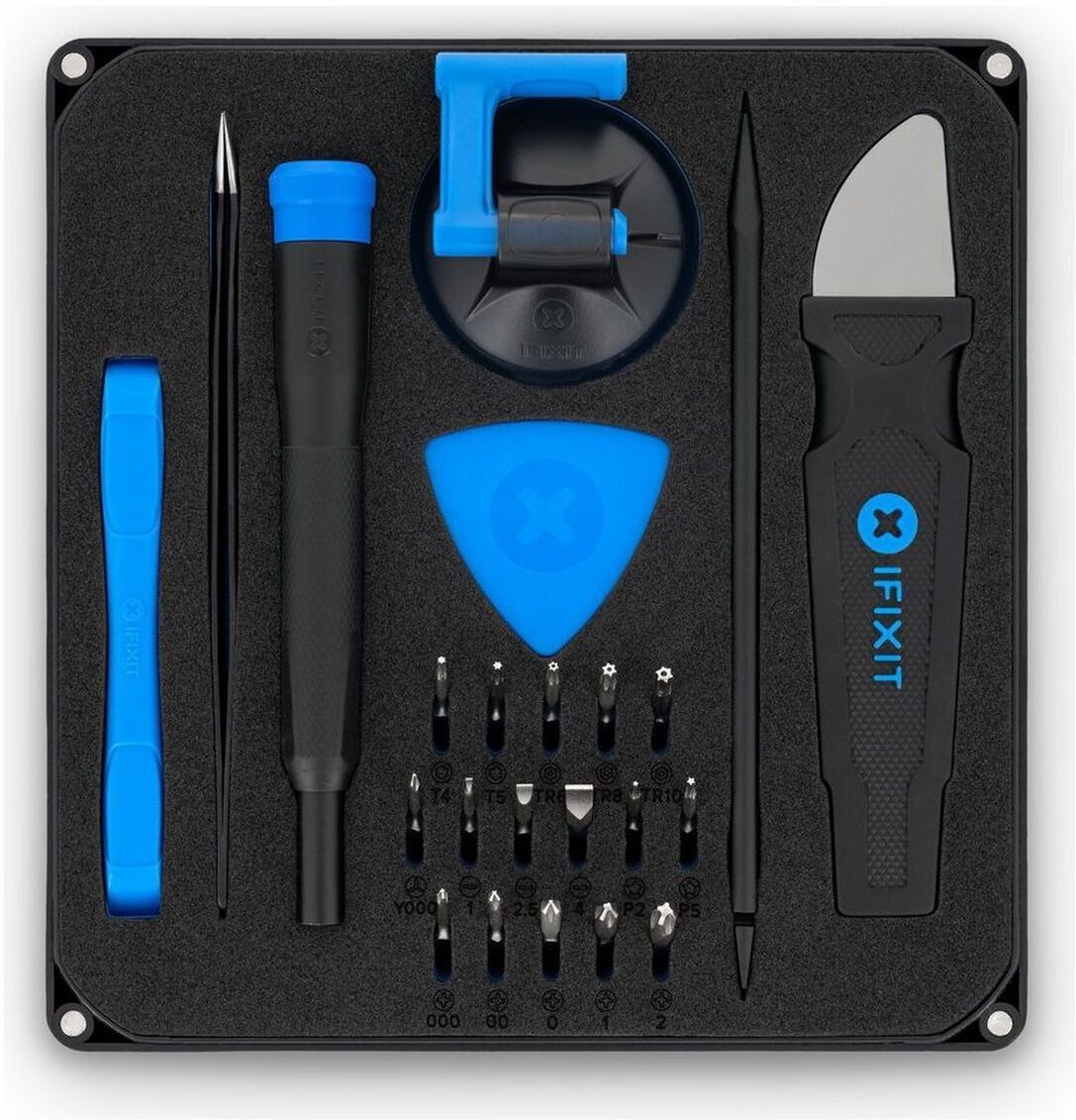
iFixit Essential Electronics ToolkitThe iFixit Essential Electronics Toolkit is a compact starter repair kit for phones, tablets, laptops, game consoles and other small electronics. It includes a precision bit driver with 16 precision bits plus the basic opening and prying tools needed for common repairs such as screen and battery replacements.40,99 £*Shipping: 0,00 £Secure redirect to the provider
-
Sesderma Reti Age 5 Liposomal Serum Anti-Aging Innovation 30mLA facial serum for wrinkles and signs of ageing. Reduces wrinkles and fine lines. Hydrates and strengthens barrier. Restores youthful radiance. 5-Retinoid System: smooths wrinkles, accelerates renewal, and boosts collagen. Biomimetic Peptides: fill expression lines by stimulating collagen synthesis.54,51 £*Shipping: 5,34 £Secure redirect to the provider



-
What is the difference between dermatomes and autonomic regions?
Dermatomes are specific areas of skin supplied by a single spinal nerve, while autonomic regions are areas of the body that are innervated by the autonomic nervous system. Dermatomes are responsible for sensory perception, such as touch and temperature, while autonomic regions control involuntary functions like heart rate, digestion, and respiratory rate. Additionally, dermatomes are related to somatic sensation, while autonomic regions are related to visceral functions. **
-
How do I solve the task Biology: Autonomic Nervous System - Parasympathetic?
To solve the task "Biology: Autonomic Nervous System - Parasympathetic," you should first understand the basics of the autonomic nervous system, including its two main divisions - the sympathetic and parasympathetic nervous systems. Focus on the functions and effects of the parasympathetic nervous system, such as its role in rest and digest activities. Additionally, familiarize yourself with the neurotransmitters involved in the parasympathetic system, like acetylcholine. Finally, practice applying this knowledge to different scenarios or questions related to the parasympathetic nervous system to solidify your understanding. **
-
What is the difference between the peripheral and the autonomic nervous system?
The peripheral nervous system consists of all the nerves outside of the brain and spinal cord, including sensory and motor nerves. It is responsible for transmitting information between the central nervous system and the rest of the body. The autonomic nervous system is a division of the peripheral nervous system that controls involuntary bodily functions, such as heart rate, digestion, and respiratory rate. While the peripheral nervous system includes both voluntary and involuntary nerves, the autonomic nervous system specifically regulates involuntary actions. **
-
What does it mean when the autonomic nervous system is out of balance?
When the autonomic nervous system is out of balance, it means that there is an imbalance between the sympathetic and parasympathetic branches of the system. This can lead to symptoms such as increased heart rate, high blood pressure, digestive issues, anxiety, or difficulty sleeping. An out-of-balance autonomic nervous system can result from chronic stress, trauma, or certain medical conditions, and it can impact overall health and well-being. It is important to address this imbalance through relaxation techniques, lifestyle changes, and sometimes medical interventions to restore harmony to the autonomic nervous system. **


What does an electronics technician specializing in information and communication technology earn?
An electronics technician specializing in information and communication technology can earn an average salary of around $60,000 to $80,000 per year, depending on factors such as experience, location, and employer. With additional certifications or advanced degrees, they may be able to command higher salaries. Overall, this field offers competitive wages and opportunities for career growth as technology continues to advance. **
How much does an electronics technician for information and communication technology earn?
The salary of an electronics technician for information and communication technology can vary depending on factors such as experience, location, and employer. On average, in the United States, an electronics technician in this field can earn between $40,000 to $70,000 per year. However, with more experience and specialized skills, technicians can earn higher salaries, potentially exceeding $80,000 annually. It's important to research specific companies and regions to get a more accurate idea of salary expectations. **
Top-Angebote
Products related to Autonomic:
-
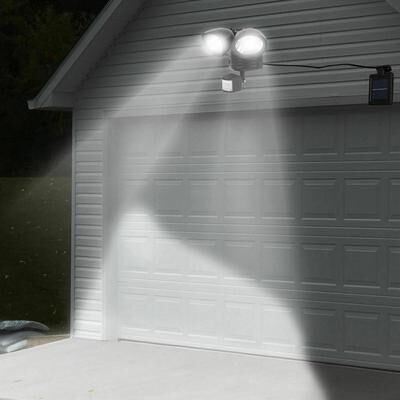
All Categories Goods LED Solar Security Light Dual Motion Sensor Outdoor Floodlight With LED Technology For Energy Efficient Illumination LED Solar Security Light Dual Motion Sensor Outdoor Floodlight With LED Technology For Energy Efficient IlluminationBrighten your outdoor space with the 1 pcs of 22 LED Solar Security Light, designed for maximum visibility and security. Powered by ecofriendly solar energy, this motion sensor floodlight activates when movement is detected, offering both...63,97 $*Shipping: 0,00 $Secure redirect to the provider
-
iFixit Essential Electronics ToolkitThe iFixit Essential Electronics Toolkit is a compact starter repair kit for phones, tablets, laptops, game consoles and other small electronics. It includes a precision bit driver with 16 precision bits plus the basic opening and prying tools needed for common repairs such as screen and battery replacements.40,99 £*Shipping: 0,00 £Secure redirect to the provider
-
How does the autonomic nervous system work?
The autonomic nervous system controls involuntary bodily functions such as heart rate, digestion, and breathing. It is divided into two branches: the sympathetic nervous system, which activates the body's fight-or-flight response in times of stress, and the parasympathetic nervous system, which promotes relaxation and rest. These two branches work in opposition to maintain homeostasis in the body. The autonomic nervous system operates largely unconsciously, responding to signals from the brain and sensory organs to regulate various bodily functions. **
-
What does the autonomic nervous system do?
The autonomic nervous system controls involuntary bodily functions such as heart rate, digestion, respiratory rate, and blood pressure. It regulates these functions to maintain homeostasis and respond to changes in the internal and external environment. The autonomic nervous system has two main divisions - the sympathetic and parasympathetic nervous systems, which work together to balance and coordinate the body's physiological processes. Overall, the autonomic nervous system plays a crucial role in ensuring the body functions properly without conscious effort. **
-
What is the difference between dermatomes and autonomic regions?
Dermatomes are specific areas of skin supplied by a single spinal nerve, while autonomic regions are areas of the body that are innervated by the autonomic nervous system. Dermatomes are responsible for sensory perception, such as touch and temperature, while autonomic regions control involuntary functions like heart rate, digestion, and respiratory rate. Additionally, dermatomes are related to somatic sensation, while autonomic regions are related to visceral functions. **
-
How do I solve the task Biology: Autonomic Nervous System - Parasympathetic?
To solve the task "Biology: Autonomic Nervous System - Parasympathetic," you should first understand the basics of the autonomic nervous system, including its two main divisions - the sympathetic and parasympathetic nervous systems. Focus on the functions and effects of the parasympathetic nervous system, such as its role in rest and digest activities. Additionally, familiarize yourself with the neurotransmitters involved in the parasympathetic system, like acetylcholine. Finally, practice applying this knowledge to different scenarios or questions related to the parasympathetic nervous system to solidify your understanding. **
Similar search terms for Autonomic
-
Sesderma Reti Age 5 Liposomal Serum Anti-Aging Innovation 30mLA facial serum for wrinkles and signs of ageing. Reduces wrinkles and fine lines. Hydrates and strengthens barrier. Restores youthful radiance. 5-Retinoid System: smooths wrinkles, accelerates renewal, and boosts collagen. Biomimetic Peptides: fill expression lines by stimulating collagen synthesis.54,51 £*Shipping: 5,34 £Secure redirect to the provider
-
HPE Networking Instant On AP22 Wi-Fi 6 Access PointWall or ceiling-mountable Wi-Fi 6 access point supporting dual-band operation (2.4 GHz and 5 GHz) with maximum data rates of 574 Mbps and 1.2 Gbps respectively. Powered by PoE connectivity and includes Bluetooth support, delivering enterprise-grade wireless coverage for indoor spaces in a compact 16x16x3.7cm form factor.127,49 £*Shipping: 0,00 £Secure redirect to the provider
-
EUkeonjinn Round Mirror Clear 61 cm x 61 cm26-45W output power, 192 LEDs/m high-density light strip with 6000K light temperature provide enough brightness 50,000 hours LED lifetime means it can last 45-46 years if using it 3 hours a day 0.2mm PVC shatterproof film prevents debris splashing after mirror break 10%-100% Step-less adjustment brightness to meet different brightness needs The memory function will remember your brightness setting when restart The IP45 rating for dust and water resistance ensures safe use in wet environments The 5mm silver mirror is not easy to oxidize, rust or blacken, and is more environmentally friendly and durable The high-definition mirror provides a 1:1 reflection that illuminates your beauty Anti-fog function & 1-hour delayed shut-off automatically The backlit CRI >90 Ra, close to natural light 2 Touch buttons control the light and defog respectively Package with customized thick foam and sturdy corner guards in a carton box Comes with wall-mounted hardware, it will only take a few minutes to assemble CSA certification: No, Weight Capacity: 158.8kg EUkeonjinn Size: 61 cm x 61 cm145,99 £*Shipping: 0,00 £Secure redirect to the provider
-
What is the difference between the peripheral and the autonomic nervous system?
The peripheral nervous system consists of all the nerves outside of the brain and spinal cord, including sensory and motor nerves. It is responsible for transmitting information between the central nervous system and the rest of the body. The autonomic nervous system is a division of the peripheral nervous system that controls involuntary bodily functions, such as heart rate, digestion, and respiratory rate. While the peripheral nervous system includes both voluntary and involuntary nerves, the autonomic nervous system specifically regulates involuntary actions. **
-
What does it mean when the autonomic nervous system is out of balance?
When the autonomic nervous system is out of balance, it means that there is an imbalance between the sympathetic and parasympathetic branches of the system. This can lead to symptoms such as increased heart rate, high blood pressure, digestive issues, anxiety, or difficulty sleeping. An out-of-balance autonomic nervous system can result from chronic stress, trauma, or certain medical conditions, and it can impact overall health and well-being. It is important to address this imbalance through relaxation techniques, lifestyle changes, and sometimes medical interventions to restore harmony to the autonomic nervous system. **
-
What does an electronics technician specializing in information and communication technology earn?
An electronics technician specializing in information and communication technology can earn an average salary of around $60,000 to $80,000 per year, depending on factors such as experience, location, and employer. With additional certifications or advanced degrees, they may be able to command higher salaries. Overall, this field offers competitive wages and opportunities for career growth as technology continues to advance. **
-
How much does an electronics technician for information and communication technology earn?
The salary of an electronics technician for information and communication technology can vary depending on factors such as experience, location, and employer. On average, in the United States, an electronics technician in this field can earn between $40,000 to $70,000 per year. However, with more experience and specialized skills, technicians can earn higher salaries, potentially exceeding $80,000 annually. It's important to research specific companies and regions to get a more accurate idea of salary expectations. **
* All prices are inclusive of VAT and, if applicable, plus shipping costs. The offer information is based on the details provided by the respective shop and is updated through automated processes. Real-time updates do not occur, so deviations can occur in individual cases. ** Note: Parts of this content were created by AI.