Buy 61.eu ?
We are moving the project
61.eu .
Are you interested in purchasing the domain
61.eu ?
domain@kv-gmbh.de · 0541-91531010
Buy 61.eu ?
What does the archaeologist ask?
The archaeologist asks questions related to the past, such as how people lived, what they ate, what tools they used, and how they interacted with their environment. They also inquire about the significance of artifacts, structures, and other remains found at a site, seeking to understand the cultural, social, and economic aspects of ancient societies. Additionally, archaeologists may ask questions about the chronology of a site, trying to determine when specific events occurred and how they relate to broader historical contexts. **
Can one advance as an archaeologist?
Yes, one can advance as an archaeologist by gaining experience through fieldwork, research, and publications. Advancement opportunities can also come through pursuing higher education such as a master's or doctoral degree in archaeology or a related field. Building a strong network within the archaeological community, attending conferences, and collaborating with other professionals can also help in advancing one's career in archaeology. Additionally, seeking out leadership roles in archaeological projects or organizations can further contribute to career advancement in this field. **

Similar search terms for Archaeologist
Top-Angebote
Products related to Archaeologist:
-
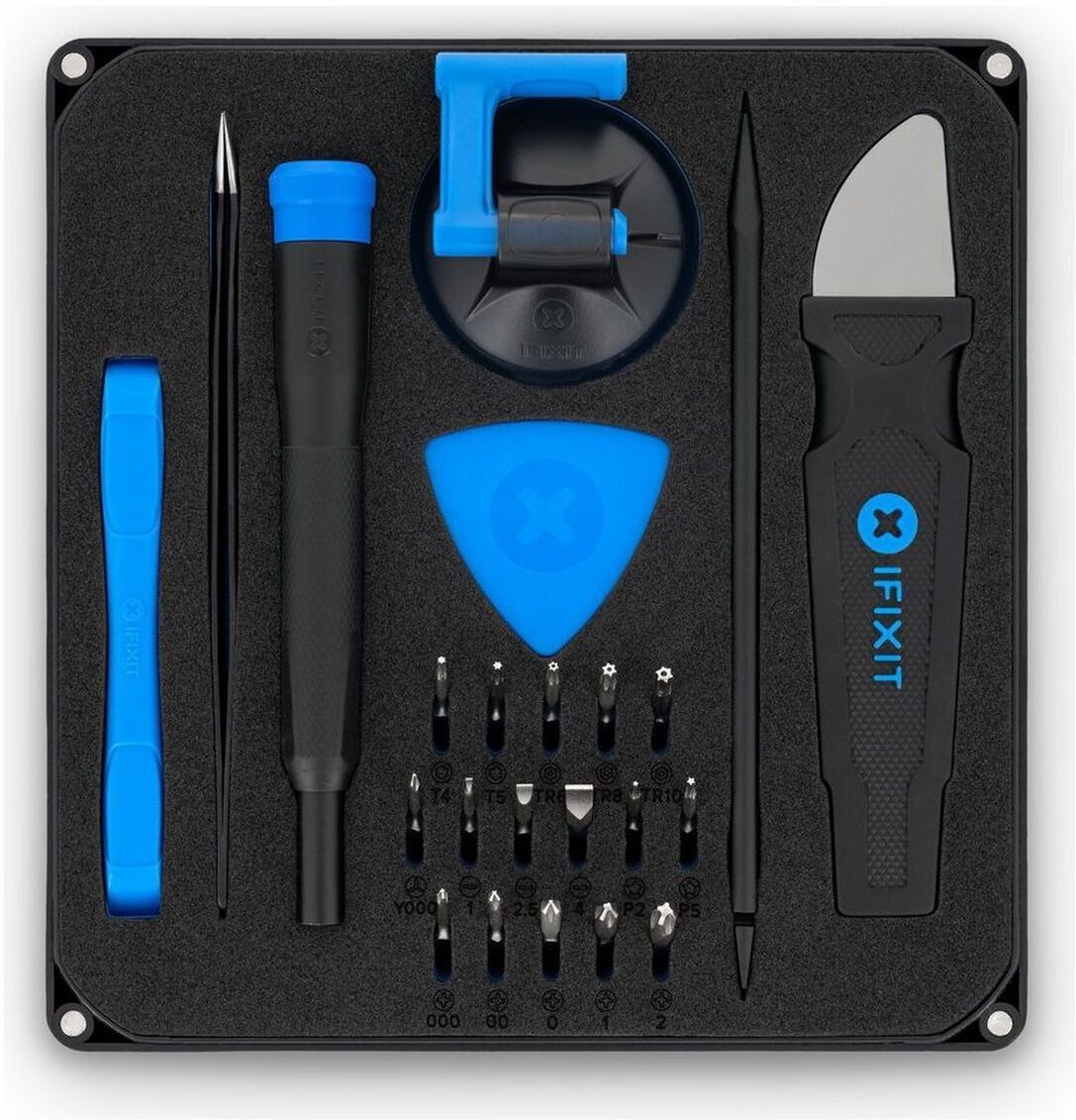
iFixit Essential Electronics ToolkitThe iFixit Essential Electronics Toolkit is a compact starter repair kit for phones, tablets, laptops, game consoles and other small electronics. It includes a precision bit driver with 16 precision bits plus the basic opening and prying tools needed for common repairs such as screen and battery replacements.40,99 £*Shipping: 0,00 £Secure redirect to the provider
-
Sesderma Reti Age 5 Liposomal Serum Anti-Aging Innovation 30mLA facial serum for wrinkles and signs of ageing. Reduces wrinkles and fine lines. Hydrates and strengthens barrier. Restores youthful radiance. 5-Retinoid System: smooths wrinkles, accelerates renewal, and boosts collagen. Biomimetic Peptides: fill expression lines by stimulating collagen synthesis.54,51 £*Shipping: 5,34 £Secure redirect to the provider



-
Can you advance as an archaeologist?
Yes, you can advance as an archaeologist by gaining more experience, pursuing higher education such as a master's or doctoral degree in archaeology or a related field, specializing in a specific area of archaeology, and conducting research and publishing your findings. Advancement opportunities may also include taking on leadership roles in archaeological projects, working for prestigious institutions, and collaborating with other experts in the field. Continuous learning, networking, and staying updated on the latest developments in archaeology are key to advancing in this career. **
-
How does one become an archaeologist?
To become an archaeologist, one typically needs to earn a bachelor's degree in archaeology, anthropology, or a related field. Some positions may require a master's or doctoral degree, especially for research or academic roles. It is also important to gain field experience through internships, volunteer work, or field schools. Developing strong research, analytical, and communication skills is essential for success in this field. Additionally, networking with professionals in the field and staying updated on current archaeological methods and technologies can help advance a career in archaeology. **
-
How do I become an archaeologist?
To become an archaeologist, you typically need a bachelor's degree in archaeology or a related field such as anthropology, history, or classics. It is also beneficial to gain fieldwork experience through internships or volunteer opportunities. Some archaeologists pursue advanced degrees, such as a master's or Ph.D., to specialize in a particular area of archaeology. Networking with professionals in the field and staying current with developments in archaeology are also important steps in becoming a successful archaeologist. **
-
What skills does an archaeologist need?
Archaeologists need a combination of technical skills, such as excavation techniques, artifact analysis, and mapping, as well as critical thinking and problem-solving skills to interpret findings. They also need strong research skills to analyze historical documents and data. Effective communication skills are essential for presenting findings to both academic audiences and the general public. Additionally, archaeologists need to be detail-oriented, patient, and have a passion for history and culture. **


Can one be a historian and archaeologist?
Yes, one can be a historian and an archaeologist. Historians study and interpret written records and documents to understand and analyze past events, while archaeologists study material remains such as artifacts, structures, and landscapes to reconstruct and understand past human cultures and societies. Both disciplines are complementary and often overlap in their research methods and goals, making it possible for individuals to be trained and work in both fields. This interdisciplinary approach can provide a more comprehensive understanding of the past. **
Is there a similar profession to archaeologist?
Yes, a similar profession to archaeologist is anthropologist. Both archaeologists and anthropologists study human societies and cultures, but archaeologists focus on studying past human societies through the analysis of material remains such as artifacts, structures, and environmental data, while anthropologists study human societies and cultures in a broader sense, including their social, cultural, biological, and linguistic aspects. Both professions require a strong understanding of human history and culture, as well as the ability to conduct research and analyze data. **
Top-Angebote
Products related to Archaeologist:
-
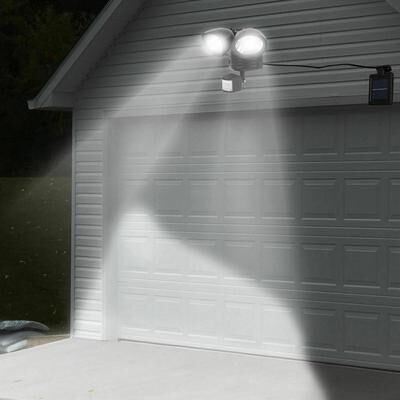
All Categories Goods LED Solar Security Light Dual Motion Sensor Outdoor Floodlight With LED Technology For Energy Efficient Illumination LED Solar Security Light Dual Motion Sensor Outdoor Floodlight With LED Technology For Energy Efficient IlluminationBrighten your outdoor space with the 1 pcs of 22 LED Solar Security Light, designed for maximum visibility and security. Powered by ecofriendly solar energy, this motion sensor floodlight activates when movement is detected, offering both...63,97 $*Shipping: 0,00 $Secure redirect to the provider
-
iFixit Essential Electronics ToolkitThe iFixit Essential Electronics Toolkit is a compact starter repair kit for phones, tablets, laptops, game consoles and other small electronics. It includes a precision bit driver with 16 precision bits plus the basic opening and prying tools needed for common repairs such as screen and battery replacements.40,99 £*Shipping: 0,00 £Secure redirect to the provider
-
What does the archaeologist ask?
The archaeologist asks questions related to the past, such as how people lived, what they ate, what tools they used, and how they interacted with their environment. They also inquire about the significance of artifacts, structures, and other remains found at a site, seeking to understand the cultural, social, and economic aspects of ancient societies. Additionally, archaeologists may ask questions about the chronology of a site, trying to determine when specific events occurred and how they relate to broader historical contexts. **
-
Can one advance as an archaeologist?
Yes, one can advance as an archaeologist by gaining experience through fieldwork, research, and publications. Advancement opportunities can also come through pursuing higher education such as a master's or doctoral degree in archaeology or a related field. Building a strong network within the archaeological community, attending conferences, and collaborating with other professionals can also help in advancing one's career in archaeology. Additionally, seeking out leadership roles in archaeological projects or organizations can further contribute to career advancement in this field. **
-
Can you advance as an archaeologist?
Yes, you can advance as an archaeologist by gaining more experience, pursuing higher education such as a master's or doctoral degree in archaeology or a related field, specializing in a specific area of archaeology, and conducting research and publishing your findings. Advancement opportunities may also include taking on leadership roles in archaeological projects, working for prestigious institutions, and collaborating with other experts in the field. Continuous learning, networking, and staying updated on the latest developments in archaeology are key to advancing in this career. **
-
How does one become an archaeologist?
To become an archaeologist, one typically needs to earn a bachelor's degree in archaeology, anthropology, or a related field. Some positions may require a master's or doctoral degree, especially for research or academic roles. It is also important to gain field experience through internships, volunteer work, or field schools. Developing strong research, analytical, and communication skills is essential for success in this field. Additionally, networking with professionals in the field and staying updated on current archaeological methods and technologies can help advance a career in archaeology. **
Similar search terms for Archaeologist
-
Sesderma Reti Age 5 Liposomal Serum Anti-Aging Innovation 30mLA facial serum for wrinkles and signs of ageing. Reduces wrinkles and fine lines. Hydrates and strengthens barrier. Restores youthful radiance. 5-Retinoid System: smooths wrinkles, accelerates renewal, and boosts collagen. Biomimetic Peptides: fill expression lines by stimulating collagen synthesis.54,51 £*Shipping: 5,34 £Secure redirect to the provider
-
HPE Networking Instant On AP22 Wi-Fi 6 Access PointWall or ceiling-mountable Wi-Fi 6 access point supporting dual-band operation (2.4 GHz and 5 GHz) with maximum data rates of 574 Mbps and 1.2 Gbps respectively. Powered by PoE connectivity and includes Bluetooth support, delivering enterprise-grade wireless coverage for indoor spaces in a compact 16x16x3.7cm form factor.127,49 £*Shipping: 0,00 £Secure redirect to the provider
-
EUkeonjinn Round Mirror Clear 61 cm x 61 cm26-45W output power, 192 LEDs/m high-density light strip with 6000K light temperature provide enough brightness 50,000 hours LED lifetime means it can last 45-46 years if using it 3 hours a day 0.2mm PVC shatterproof film prevents debris splashing after mirror break 10%-100% Step-less adjustment brightness to meet different brightness needs The memory function will remember your brightness setting when restart The IP45 rating for dust and water resistance ensures safe use in wet environments The 5mm silver mirror is not easy to oxidize, rust or blacken, and is more environmentally friendly and durable The high-definition mirror provides a 1:1 reflection that illuminates your beauty Anti-fog function & 1-hour delayed shut-off automatically The backlit CRI >90 Ra, close to natural light 2 Touch buttons control the light and defog respectively Package with customized thick foam and sturdy corner guards in a carton box Comes with wall-mounted hardware, it will only take a few minutes to assemble CSA certification: No, Weight Capacity: 158.8kg EUkeonjinn Size: 61 cm x 61 cm145,99 £*Shipping: 0,00 £Secure redirect to the provider
-
How do I become an archaeologist?
To become an archaeologist, you typically need a bachelor's degree in archaeology or a related field such as anthropology, history, or classics. It is also beneficial to gain fieldwork experience through internships or volunteer opportunities. Some archaeologists pursue advanced degrees, such as a master's or Ph.D., to specialize in a particular area of archaeology. Networking with professionals in the field and staying current with developments in archaeology are also important steps in becoming a successful archaeologist. **
-
What skills does an archaeologist need?
Archaeologists need a combination of technical skills, such as excavation techniques, artifact analysis, and mapping, as well as critical thinking and problem-solving skills to interpret findings. They also need strong research skills to analyze historical documents and data. Effective communication skills are essential for presenting findings to both academic audiences and the general public. Additionally, archaeologists need to be detail-oriented, patient, and have a passion for history and culture. **
-
Can one be a historian and archaeologist?
Yes, one can be a historian and an archaeologist. Historians study and interpret written records and documents to understand and analyze past events, while archaeologists study material remains such as artifacts, structures, and landscapes to reconstruct and understand past human cultures and societies. Both disciplines are complementary and often overlap in their research methods and goals, making it possible for individuals to be trained and work in both fields. This interdisciplinary approach can provide a more comprehensive understanding of the past. **
-
Is there a similar profession to archaeologist?
Yes, a similar profession to archaeologist is anthropologist. Both archaeologists and anthropologists study human societies and cultures, but archaeologists focus on studying past human societies through the analysis of material remains such as artifacts, structures, and environmental data, while anthropologists study human societies and cultures in a broader sense, including their social, cultural, biological, and linguistic aspects. Both professions require a strong understanding of human history and culture, as well as the ability to conduct research and analyze data. **
* All prices are inclusive of VAT and, if applicable, plus shipping costs. The offer information is based on the details provided by the respective shop and is updated through automated processes. Real-time updates do not occur, so deviations can occur in individual cases. ** Note: Parts of this content were created by AI.